
Key Highlights
- Tesla’s Shanghai Gigafactory delivered 127,728 electric vehicles in January–February 2026, representing a year-over-year increase exceeding 35%
- BYD experienced a 36% decline in deliveries during the same timeframe while maintaining its global market leadership position
- Shanghai production volume from Tesla exceeded Leapmotor’s output by more than double
- BYD introduced an advanced Blade battery technology that charges from 10% to 97% capacity in approximately nine minutes
- Geely’s Xingyuan and Xiaomi’s YU7 secured top monthly sales rankings in China, surpassing Tesla and BYD models
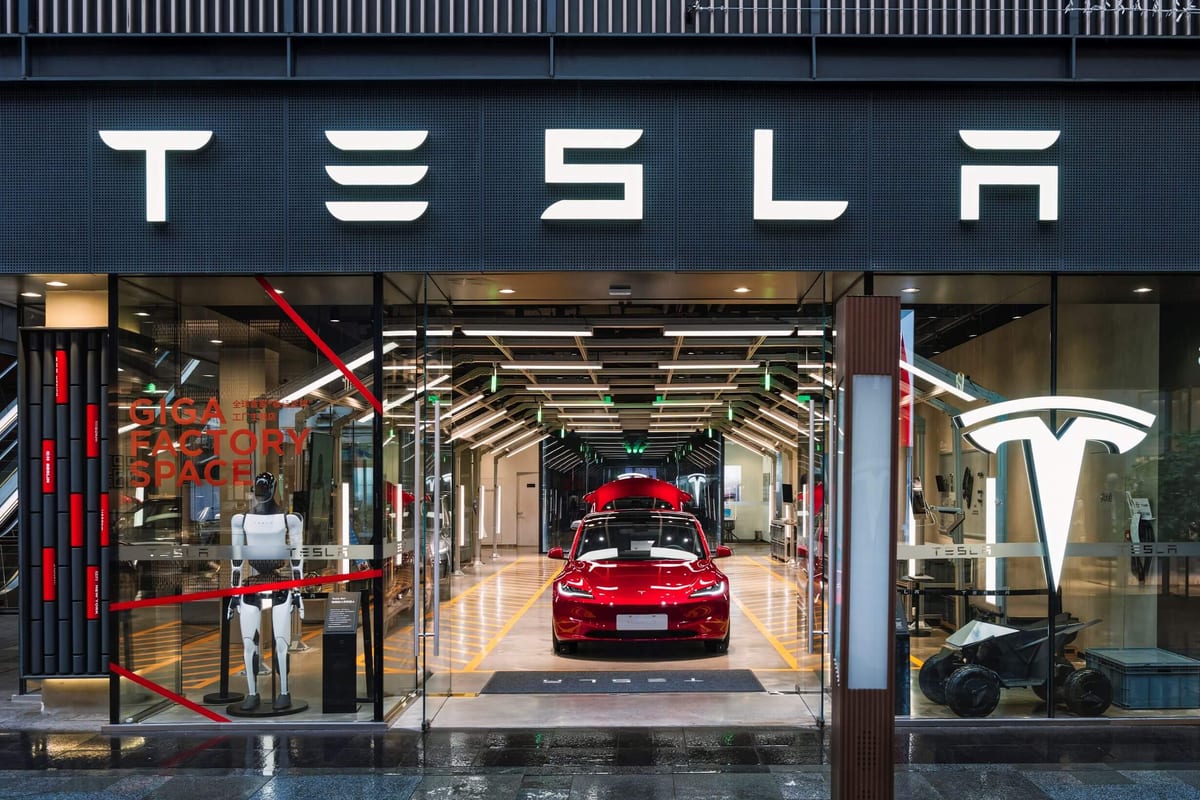
Tesla demonstrated robust performance in China during the opening months of 2026, with Shanghai-manufactured electric vehicle deliveries climbing more than 35% when compared to the corresponding period in 2025.
Data from the China Passenger Car Association (CPCA) revealed that Tesla’s Shanghai Gigafactory delivered 127,728 vehicles during the combined January-February period, compared to 93,926 units in the prior year. These statistics incorporated adjustments for the two-week Chinese New Year celebration that occurred in mid-February.
Tesla’s Shanghai manufacturing facility assembles the Model 3 sedan and Model Y crossover for Chinese customers alongside international markets spanning Europe and the Asia-Pacific region.
Recent reporting from Reuters indicated that new Tesla vehicle registrations throughout European markets experienced widespread growth in February, with the Shanghai plant serving as the primary source for these exports.
The production volume from Tesla during this period reached more than twice the output of Leapmotor, positioned as the closest competitor after the top two manufacturers. This substantial difference demonstrates that Tesla’s resurgence in the Chinese market represents significant momentum rather than incremental gains.
BYD Maintains Global Leadership Position
Tesla continues to trail BYD by a substantial margin within China and across global markets, despite posting impressive growth figures.
BYD documented a 36% reduction in deliveries throughout the same January–February timeframe. The Shenzhen-headquartered manufacturer preserved its status as the world’s largest electric vehicle seller despite this decline — a distinction it secured from Tesla for the first time on an annual basis in 2025.
International expansion remains central to BYD’s strategic approach. The company achieved a milestone in February when export shipments surpassed domestic sales for the first time, having crossed the 1 million overseas units threshold in 2025.
“BYD’s hedge is exports — overseas sales crossed 1 million units in 2025 for the first time, a buffer purely domestic rivals can’t match,” said Leon Cheng, head of the mobility practice at YCP, a management consulting firm.
Technological Innovation and Fresh Competition Transform Industry Landscape
BYD revealed an updated iteration of its Blade battery technology last week. According to company specifications, this new battery can achieve charging from 10% to 97% capacity in roughly nine minutes — an innovation designed to alleviate consumer concerns regarding driving range and charging duration.
Additional Chinese manufacturers continue advancing their competitive positions. Geely’s Xingyuan model claimed the best-selling vehicle position in China during February, outperforming both Tesla and BYD offerings according to Autohome statistics. The previous month saw Xiaomi’s YU7 SUV displace Tesla’s Model Y from the leading sales position.
These market dynamics illustrate that the Chinese EV sector extends beyond competition between Tesla and BYD alone. Domestic manufacturers are capturing market share from both industry leaders.
The CPCA emphasized that March data, once finalized, will provide more comprehensive insight into market trajectories, as manufacturing facilities and retail operations typically experience significant acceleration following the conclusion of the Spring Festival period.



