
Key Points
- Nine commercial vessels have faced attacks in Gulf waters following the start of U.S.-Iran military confrontation on Saturday
- Bahamas-flagged tanker suffered damage near Iraqi waters; another tanker off Kuwait experiencing flooding and oil leakage
- Approximately 200 vessels remain anchored in open waters with no ability to proceed; additional hundreds remain outside the Strait of Hormuz
- Crude prices have climbed 15% since hostilities commenced; European natural gas prices have surged approximately 50% during the current week
- Insurance providers in London confirm Hormuz transit coverage remains accessible, albeit with elevated premium rates
The military confrontation between the United States and Iran, currently entering its fifth day, continues to create substantial disruption for petroleum and natural gas transport throughout the Middle Eastern region. Nine commercial vessels have experienced attacks in Gulf waters following the outbreak of hostilities on Saturday.
🚨🇮🇷🇰🇼 Iran just attacked a tanker anchored off Kuwait.
Small craft approached, large explosion on the port side, then disappeared.
The IRGC is claiming it was an American oil tanker.
150 ships are already stranded across the region. Now Iran is hunting the ones at anchor.… https://t.co/cAzp9fMZGE pic.twitter.com/oHeGP6JCiZ
— Mario Nawfal (@MarioNawfal) March 5, 2026
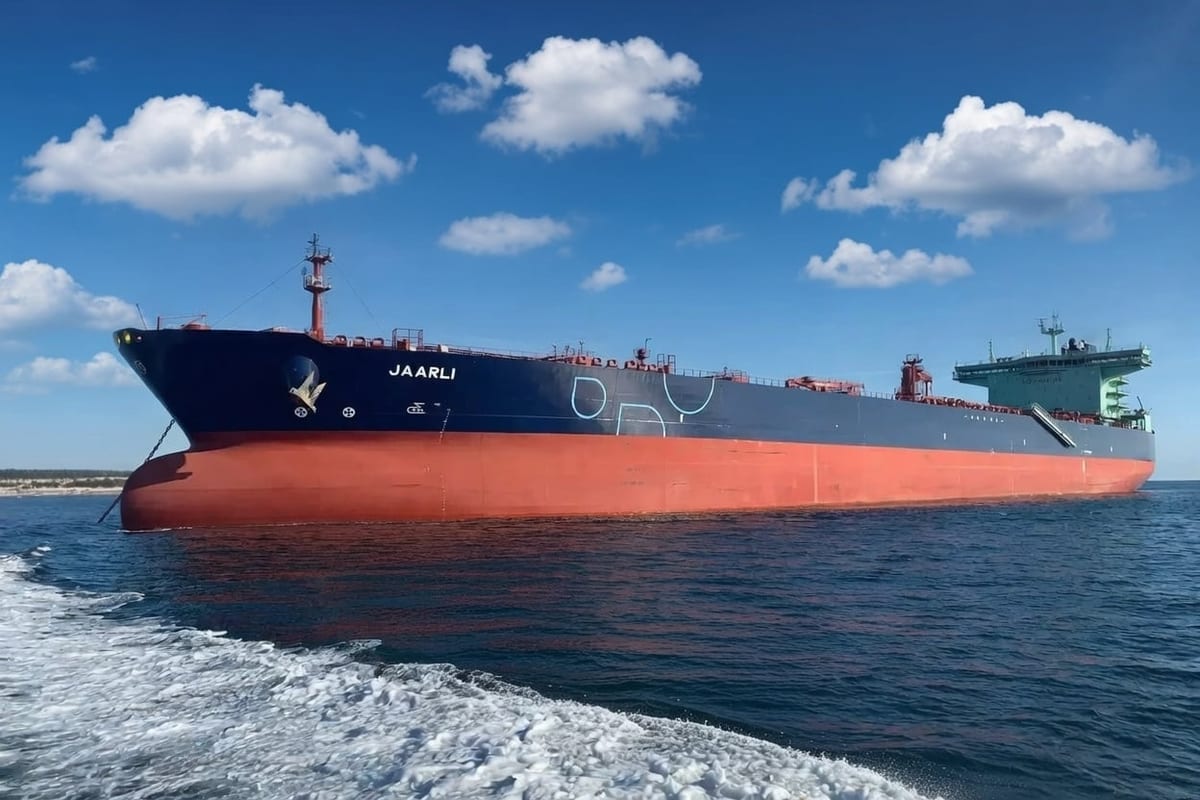
Thursday saw a Bahamas-flagged crude oil tanker become the target of an Iranian remote-controlled explosive-laden boat near Iraq’s Khor al Zubair port facility. Another tanker positioned off the Kuwaiti coast experienced significant flooding and crude leakage following a substantial explosion on its port side.
Iran simultaneously executed a missile strike against Israel on Thursday while deploying drones into Azerbaijani territory, resulting in injuries to four individuals. The military conflict shows signs of geographical expansion beyond the Gulf region.
Approximately 200 commercial vessels—encompassing crude oil tankers, liquefied natural gas carriers, and general cargo ships—remain at anchor in open waters adjacent to major Gulf producing nations. Additional hundreds of vessels remain stranded outside the Strait of Hormuz, unable to access port facilities.
The Strait of Hormuz serves as the transit route for approximately one-fifth of global oil and LNG supplies. The effective shutdown of this critical waterway has begun producing quantifiable effects on worldwide energy markets.
BP conducted an evacuation of international personnel from Iraq’s Rumaila oil field following the landing of two unidentified drones within the facility. Iraq has reduced oil production by nearly 1.5 million barrels daily, as storage capacity reached maximum levels and tanker loading became impossible.
One Kuwaiti refinery ceased operations entirely. A second facility reduced its processing rate. A third refinery located in Bahrain similarly decreased output levels.
Insurance Market Responds
London-based insurance providers have indicated their willingness to provide coverage for vessels transiting the Strait of Hormuz, with premium rates reflecting the elevated risk environment. Broker Arthur J. Gallagher confirmed coverage availability for vessels currently positioned within Persian Gulf waters and those seeking to enter or exit via the strait.
Brokerage firms Marsh and Aon have reportedly entered discussions with U.S. government representatives following President Trump’s commitment to assist with tanker insurance. Lloyd’s of London verified its collaboration with the U.S. International Development Finance Corporation regarding this matter.
Despite coverage availability, the majority of vessel operators have opted to remain stationary. Industry analysts indicate that crew safety concerns represent the primary obstacle, rather than coverage costs.
Energy Prices Climb Sharply
Oil prices increased approximately 2% on Thursday, bringing cumulative gains since Saturday to roughly 15%. U.S. crude advanced about 3% during Thursday’s trading session alone.
European benchmark natural gas prices gained 2% on Thursday and have risen approximately 50% throughout the week. Qatar, responsible for supplying 20% of global LNG, suspended gas production earlier this week due to the ongoing conflict.
Russian President Vladimir Putin indicated Russia could immediately cease gas supplies to Europe, referencing the energy price surge triggered by the Iran crisis.
Industry analysts and Reuters calculations indicate that the United States and Australia possess minimal spare capacity to compensate for Qatar’s absent LNG supply.



