
Key Takeaways
- European gas markets experienced a 40% price surge following Qatar’s decision to suspend LNG operations after Iranian drone attacks targeted the Ras Laffan complex
- QatarEnergy ceased all liquefied natural gas production after strikes damaged two gas facilities
- More than one-fifth of worldwide LNG supply faces disruption due to Strait of Hormuz closure
- Goldman Sachs elevated its Q2 TTF projection to 45 euros/MWh from 36 euros/MWh, projecting potential increases of 130% above previous week’s trading levels
- Depleted European gas storage reserves entering the rebuilding period intensify supply concerns
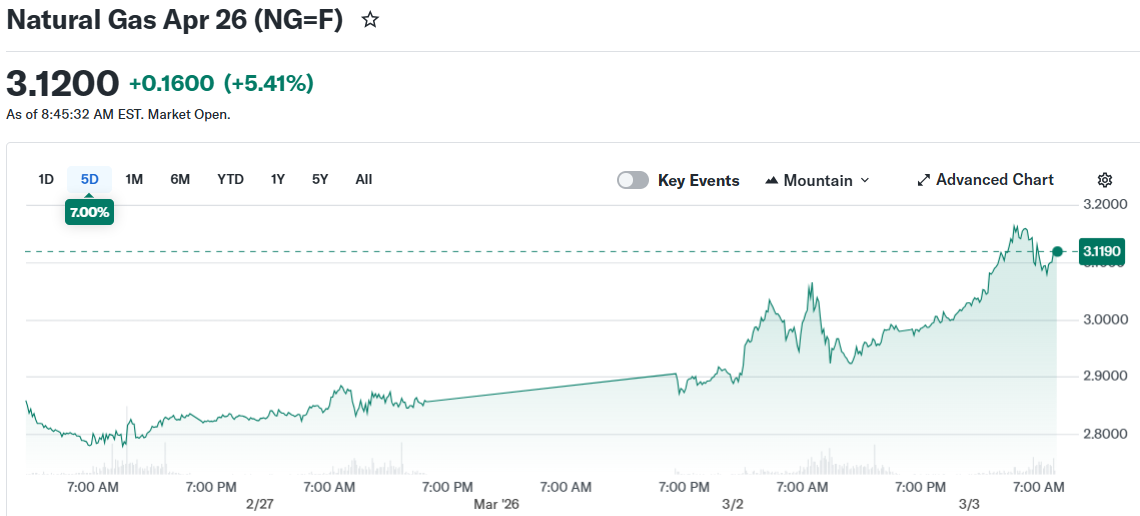
European gas markets experienced their second consecutive day of dramatic price increases after Qatar ceased liquefied natural gas operations. The Dutch TTF benchmark, which serves as Europe’s primary natural gas pricing indicator, climbed beyond 40% to exceed 62 euros per megawatt-hour on Tuesday.
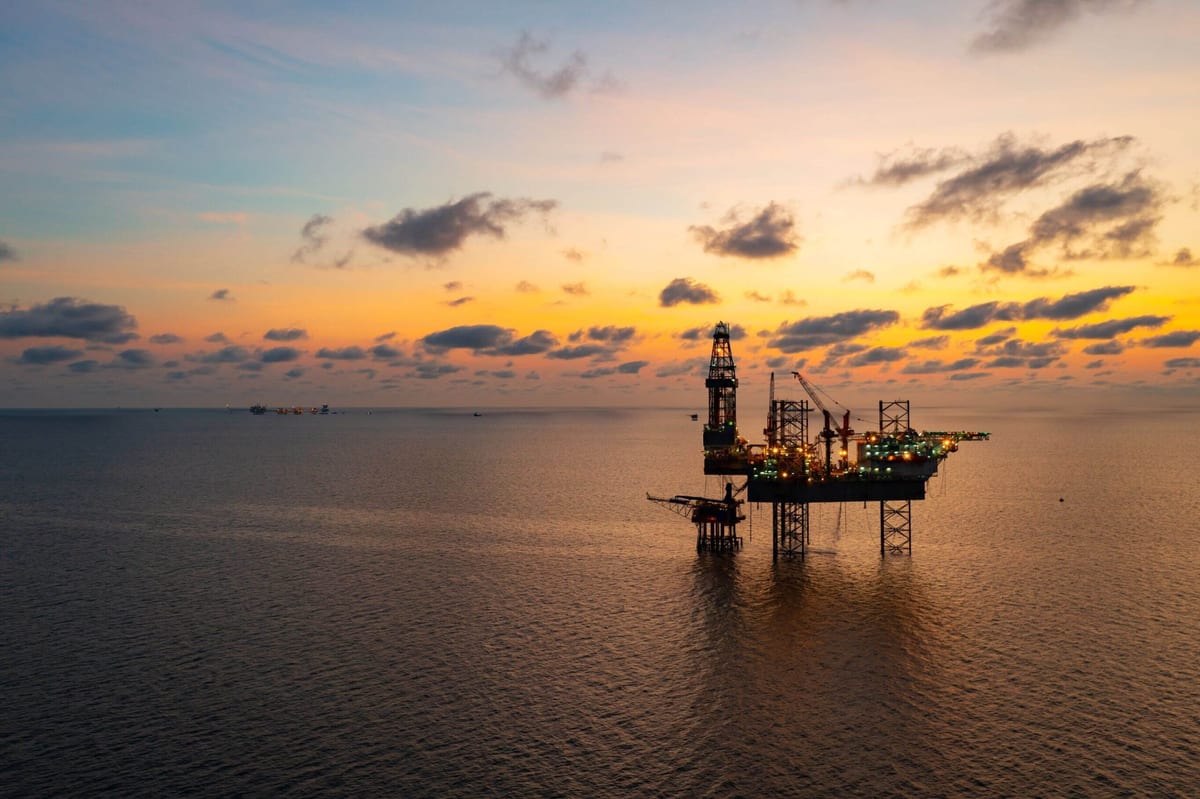
The price surge occurred after QatarEnergy announced a complete shutdown of LNG operations at its Ras Laffan facility. Company officials attributed the production suspension to Iranian drone attacks that damaged two gas infrastructure sites.
Qatar ranks as the world’s second-largest liquefied natural gas exporter. Although Asian markets receive most of Qatar’s exports, an extended shutdown would create competition between Asian and European buyers for available supplies on global spot markets.
The situation began deteriorating before production ceased. Futures contracts started their climb on Monday following Iran’s effective blockade of the Strait of Hormuz, a critical maritime corridor at the Persian Gulf’s entrance.
The Strait of Hormuz channels more than 20% of global LNG shipments. Iranian authorities have issued warnings about attacking vessels attempting passage through the waterway.
ANZ analysts described the situation as “the biggest threat to world gas markets since Russia invaded Ukraine in 2022.” That previous conflict drove European gas prices to unprecedented levels and sparked widespread energy shortages across the continent.
Goldman Sachs Elevates European Gas Price Projections
Goldman Sachs analysts, led by Samantha Dart and Frederik Witzemann, increased their April TTF price projection to 55 euros per megawatt-hour. Their previous estimate stood at 36 euros per megawatt-hour.
The investment bank’s revised second-quarter 2026 average forecast now reaches 45 euros per megawatt-hour, representing an increase from their earlier 36 euros projection. Goldman analysts indicated prices might escalate up to 130% beyond last week’s trading levels.
The TTF climbed more than 31% to approximately 58.60 euros per megawatt-hour on Tuesday. This places the benchmark near its peak levels from 2023.
Middle Eastern sources provide roughly 5% of Europe’s gas imports. Although this proportion remains smaller than Asia’s regional dependence, indirect market pressures through global spot trading are already elevating prices.
Europe’s Storage Situation Compounds Challenges
Europe’s gas inventory levels currently sit below typical seasonal averages as the continent enters the critical period for replenishing reserves before winter arrives. Greater-than-anticipated gas consumption for power generation throughout the previous winter exacerbated the supply deficit.
Goldman analysts emphasized that uncertainty surrounding the duration of Qatar’s production halt, paired with continuing threats to Strait of Hormuz maritime traffic, will “drive TTF prices temporarily higher still.”
Alternative supply sources remain available but face capacity constraints. The United States possesses capabilities to expand LNG exports, though market experts indicate American production alone cannot compensate for extended loss of Qatari volumes.
The Center for Strategic and International Studies informed the New York Times that reduced gas availability for Asian markets could redirect Asian purchasers toward U.S. and other non-Middle Eastern suppliers. European prices may maintain upward momentum even after QatarEnergy resumes operations, according to analyst assessments.
Goldman Sachs noted the TTF was trading near its strongest levels since 2023 as of Tuesday morning.



