
TLDR
- President Trump used Truth Social to accuse banking institutions of obstructing the GENIUS Act stablecoin legislation
- The dispute focuses on third-party platform authorization to provide yield on customer-held stablecoins
- Banking institutions contend that stablecoin yield offerings could lead to customer deposit migration away from traditional banking
- Senate Banking Committee delayed its January markup hearing following Coinbase’s withdrawal of support
- House Financial Services Chair French Hill proposed the Senate consider adopting the House-passed CLARITY Act language
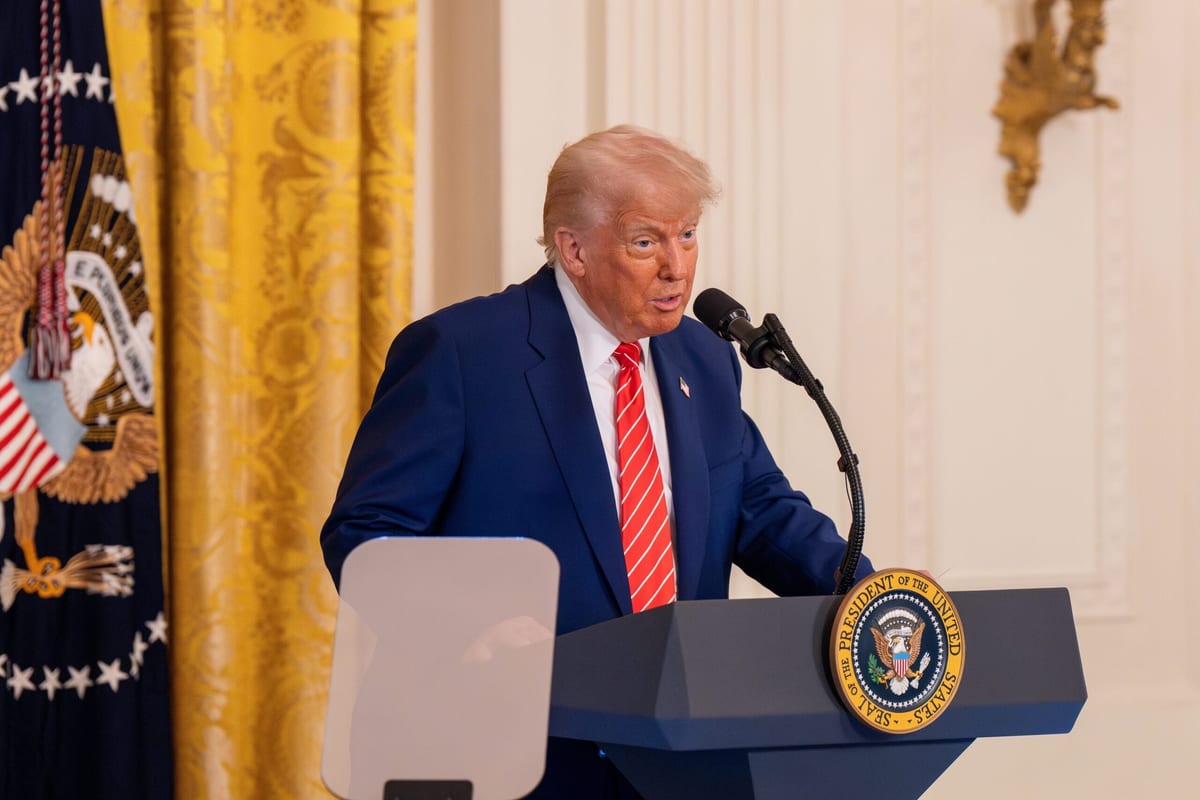
President Trump posted on Truth Social Tuesday, directing accusations at the banking sector for obstructing cryptocurrency legislation.
🚨JUST IN: President Trump says: “The GENIUS ACT is being threatened and undermined by the banks, and that is unacceptable, We are not going to allow it.”
“Getting the Clarity Act done is the next step to finish the job.”$RLUSD 🤝 #XRP pic.twitter.com/QIZXKtVzkE
— JackTheRippler ©️ (@RippleXrpie) March 3, 2026
The President stated that banking institutions were threatening the GENIUS Act — the stablecoin legislation he signed into law in July — while attempting to prevent passage of the CLARITY Act, the crypto market structure bill facing delays in the Senate.
“The Banks are hitting record profits, and we are going to allow them to undermine our powerful Crypto Agenda,” Trump wrote.
The GENIUS Act establishes regulatory frameworks for stablecoins while prohibiting issuers from making direct yield payments to holders. Third-party platforms such as cryptocurrency exchanges maintain the ability to provide yield to users under current provisions.
Banking institutions seek elimination of this provision. Their position centers on concerns that cryptocurrency exchanges like Coinbase offering stablecoin yield could cause deposit migration from traditional banking institutions.
Cryptocurrency companies and industry advocates have mounted strong opposition to any prohibition on yield payments.
Coinbase withdrew support for the Senate bill in January due to this issue. The Senate Banking Committee subsequently postponed its scheduled markup hearing, with no replacement date established.
What’s Holding the Bill Up
The White House has facilitated at least three negotiation sessions between banking sector and cryptocurrency industry representatives this year to work through bill language.
A tentative White House target of late February passed without reaching consensus.
Draft language is circulating among lawmakers according to reports, though no formal agreement has been made public.
The Senate faces a compressed timeline. Summer recess approaches, while the 2026 midterm election cycle accelerates.
What French Hill Said
House Financial Services Committee Chair French Hill addressed the situation at a separate Tuesday event.
He noted that the CLARITY Act, which secured passage in the House with 78 Democratic votes, already established that stablecoins function as payment devices rather than investment products, and should operate without direct interest payments.
Hill suggested the Senate consider adopting the House bill’s language should independent agreement prove elusive.
“If the Senate can’t come to a straightforward conclusion here, I recommend they use the language that we have in the House-passed Clarity Act,” Hill said.
Trump also mentioned World Liberty Financial, a company with family connections, which issues its own stablecoin named USD1.
The Office of the Comptroller of the Currency released a rule proposal last week stating that contracts between stablecoin issuers and third-party associates must provide clear definitions of third-party offerings — while declining to impose outright prohibition on yield payments.
Trump’s post emerged after several days during which his focus remained on U.S. military operations against Iran, which have caused disruptions to air travel and shipping throughout the Middle East.



