
TLDR
- Senate approved the 21st Century Road to Housing Act by 89-10 vote, carrying a CBDC prohibition amendment.
- Federal Reserve cannot issue a central bank digital currency through December 31, 2030 under the measure.
- Private dollar-backed digital currencies, stablecoins, and permissionless payment systems remain unaffected by the prohibition.
- House of Representatives consideration remains uncertain as members may contest specific provisions.
- President Trump’s stated position on voter-ID legislation creates additional complexity for the bill’s passage.
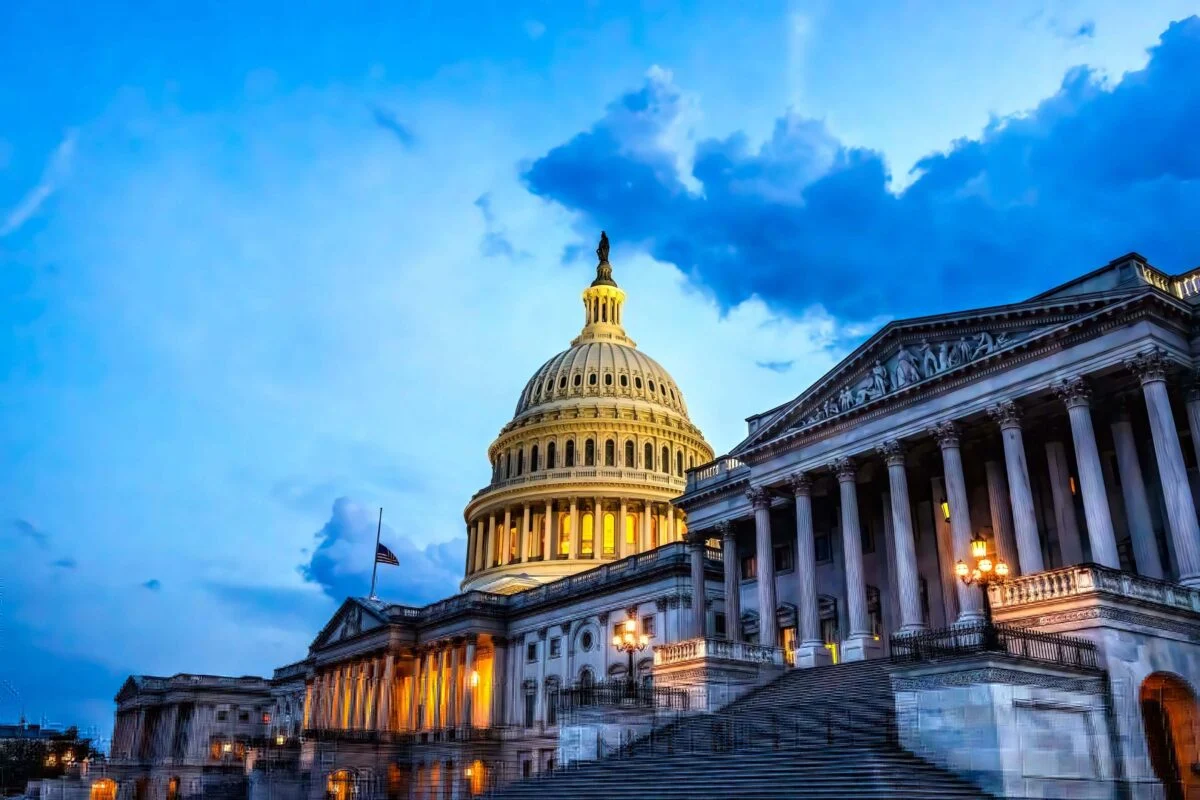
The Senate approved housing legislation on Thursday containing a provision that temporarily blocks the Federal Reserve from launching a central bank digital currency.
🚨BREAKING: The United States Senate has just voted to ban a Federal Reserve CBDC until the year 2030! 🇺🇸
“The Federal Reserve has no chance of issuing a digital dollar.”
HUGE WIN FOR CRYPTO! pic.twitter.com/IRouGlz1EA
— JackTheRippler ©️ (@RippleXrpie) March 13, 2026
Known as the 21st Century Road to Housing Act, the measure secured strong bipartisan support with an 89-10 vote. Embedded within the 302-page document is an amendment preventing the Fed from issuing a CBDC, or any comparable digital asset, before 2031.
The prohibition extends to direct issuance by the Federal Reserve as well as any arrangement involving financial institutions or intermediary entities.
Stablecoin operations continue without restriction. The measure permits private entities to operate dollar-backed digital currencies that maintain open architecture, permissionless access, and user privacy.
Treasury Secretary Scott Bessent and President Donald Trump have expressed support for stablecoins as tools for expanding dollar dominance internationally. Trump alongside Republican legislators have maintained opposition to central bank digital currencies.
Why Lawmakers Want a CBDC Ban
Over 30 members of Congress submitted a March 6 letter requesting the Senate establish a permanent prohibition instead of the temporary framework. Representative Ralph Norman, among those signing the letter, stated a CBDC would grant “unelected bureaucrats unprecedented power over Americans’ finances.”
Prominent hedge fund manager Ray Dalio has raised concerns about CBDC privacy implications. “There will be no privacy, and it’s a very effective controlling mechanism by the government,” Dalio stated during a recent interview.
Certain legislators have extended their concerns to regulated stablecoins, suggesting surveillance vulnerabilities. Representative Warren Davidson has contended that the GENIUS Act, designed to establish stablecoin regulations, opens pathways to financial monitoring through programmable currency features.
Digital Chamber CEO Cody Carbone praised the Senate decision. “Financial privacy is a cornerstone of American freedom,” Carbone stated, emphasizing that digital advancement in America “should be led by the private sector.”
The Road Ahead Is Not Clear
The legislation faces additional obstacles. House members have indicated potential resistance to the Senate version, especially regarding provisions limiting investment property ownership by large-scale investors including private equity funds.
Trump has communicated his intention to withhold approval of legislation pending Congressional passage of voter identification requirements. This position creates additional complexity for the housing measure and other pending legislation, including the Digital Asset Market Clarity Act.
Federal CBDC development remains in exploratory stages. Establishing a formal prohibition has represented a priority objective for Republican lawmakers for an extended period.



