
Quick Summary
- A class action lawsuit has been filed against Kalshi regarding the resolution of a prediction market focused on Iranian Supreme Leader Ali Khamenei’s departure from power.
- Following reports of Khamenei’s death on Feb. 28, traders with “yes” positions anticipated receiving complete $1 payouts, yet Kalshi enforced a “death carveout” provision.
- Trading volume in this market surpassed $54 million; the two primary plaintiffs maintained positions worth approximately $259.84.
- While Kalshi refunded trading fees and covered net losses, claiming zero financial harm to users, plaintiffs demand complete contract payments along with punitive compensation.
- According to Kalshi co-founder Tarek Mansour, the provision was transparently documented, emphasizing that the platform prohibits markets enabling profit from mortality events.
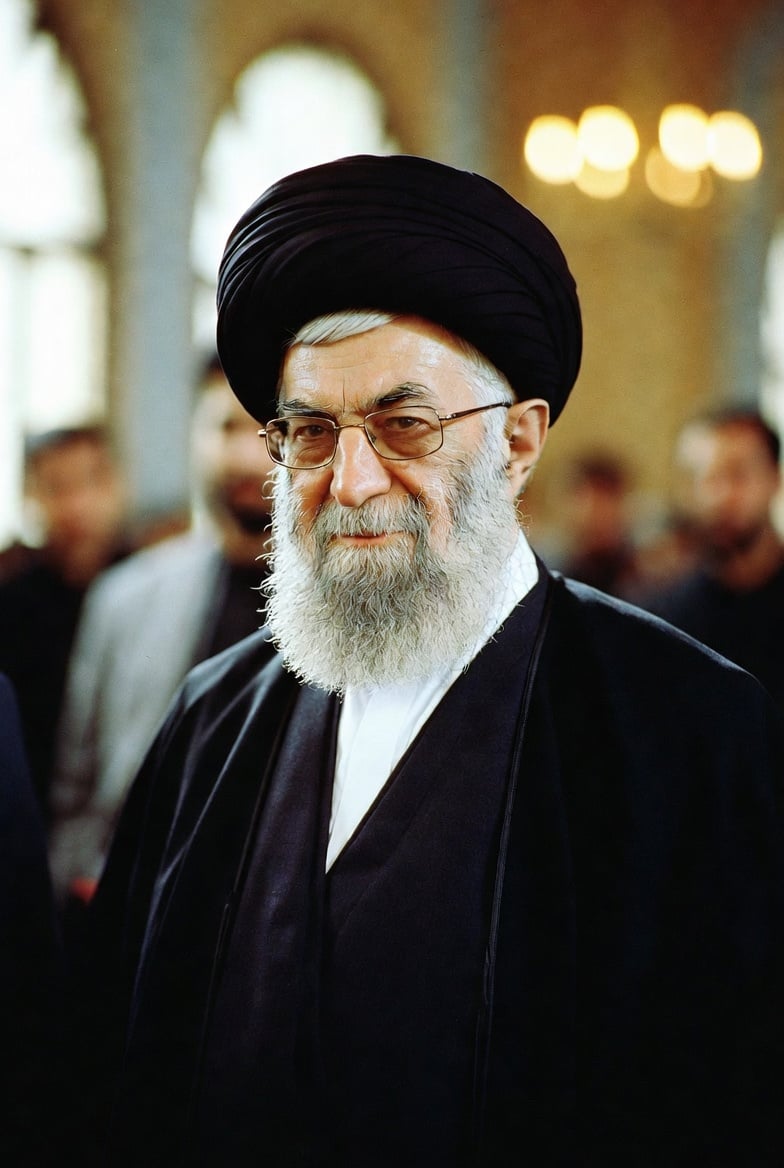
Prediction market operator Kalshi now faces legal proceedings through a class action lawsuit submitted to the US District Court for the Central District of California. The litigation revolves around the platform’s settlement approach for a market examining whether “Ali Khamenei out as Supreme Leader?”
We stand by principle and law:
1. Kalshi didn't deviate from its market rules. They were clear that death did not resolve the market to "Yes".
2. Kalshi's rules prevented a 'death market', where traders directly profit from death. This is a good thing (+ we're a US based… https://t.co/gXMeQECFLz
— Tarek Mansour (@mansourtarek_) March 6, 2026
The market questioned whether Khamenei would vacate his position before March 1, 2026. Participants purchasing “yes” positions anticipated receiving complete $1 payments per share upon favorable resolution.
Various news sources confirmed Khamenei’s passing on Feb. 28. Market participants concluded this development would trigger maximum contract payouts.
Kalshi implemented what the company terms a “death carveout provision” instead. This mechanism stipulates that when a leader departs office exclusively through death, settlement occurs at the final market price rather than delivering complete winning payouts.
Plaintiffs contend this provision existed within complex market documentation. Their argument centers on inadequate visibility for typical traders during the betting process.
The legal complaint asserts the carveout remained “not incorporated into the user-facing rules summary.” Additionally, the filing states the policy lacked proper presentation to inform a “reasonable consumer.”
The documentation further notes that Kalshi subsequently conceded their previous disclosures contained “grammatically ambiguous” language.
The primary plaintiffs maintained approximately $259.84 in combined positions. Market activity generated over $54 million in total volume.
Kalshi’s Response to the Lawsuit
Kalshi co-founder Tarek Mansour provided public commentary on the matter via X. He explained the platform maintains established guidelines preventing markets that create direct financial incentives from mortality outcomes.
“We don’t list markets directly tied to death,” Mansour stated. He clarified the provision existed within market terms and received proper disclosure.
Kalshi provided full reimbursement for all trading fees and covered net losses associated with this market. According to company statements, every trader avoided financial losses.
Mansour conceded the platform can enhance its presentation of contractual terms before traders execute positions.
What Plaintiffs Are Seeking
The refunds failed to satisfy plaintiffs. Their demands include compensatory damages matching complete anticipated contract payouts.
Additional demands encompass punitive damages designed to prevent comparable practices going forward.
The complaint characterizes the carveout policy as “predatory” and constituting an “unfair business practice,” contending that given an 85-year-old leader amid escalating military tensions, death represented the predominant probable outcome.
Kalshi completed a recent funding round valuing the company at $11 billion. This milestone arrived during 2026 as prediction markets experience unprecedented trading activity.



