
TLDR
- President Trump used Truth Social to call for Fed Chair Powell to reduce rates “immediately” ahead of the upcoming FOMC meeting.
- Rate cut expectations have collapsed since the U.S.-Iran confrontation started February 28, with markets now pricing in only one reduction for 2025.
- Goldman Sachs delayed its rate cut timeline to September, projecting PCE inflation will reach 2.9% by year’s end.
- Crude oil climbed to $95.70 per barrel following Iran’s Supreme Leader’s commitment to maintaining the Strait of Hormuz blockade.
- March 2020’s COVID-19 crisis marked the Federal Reserve’s most recent intermeeting rate reduction.
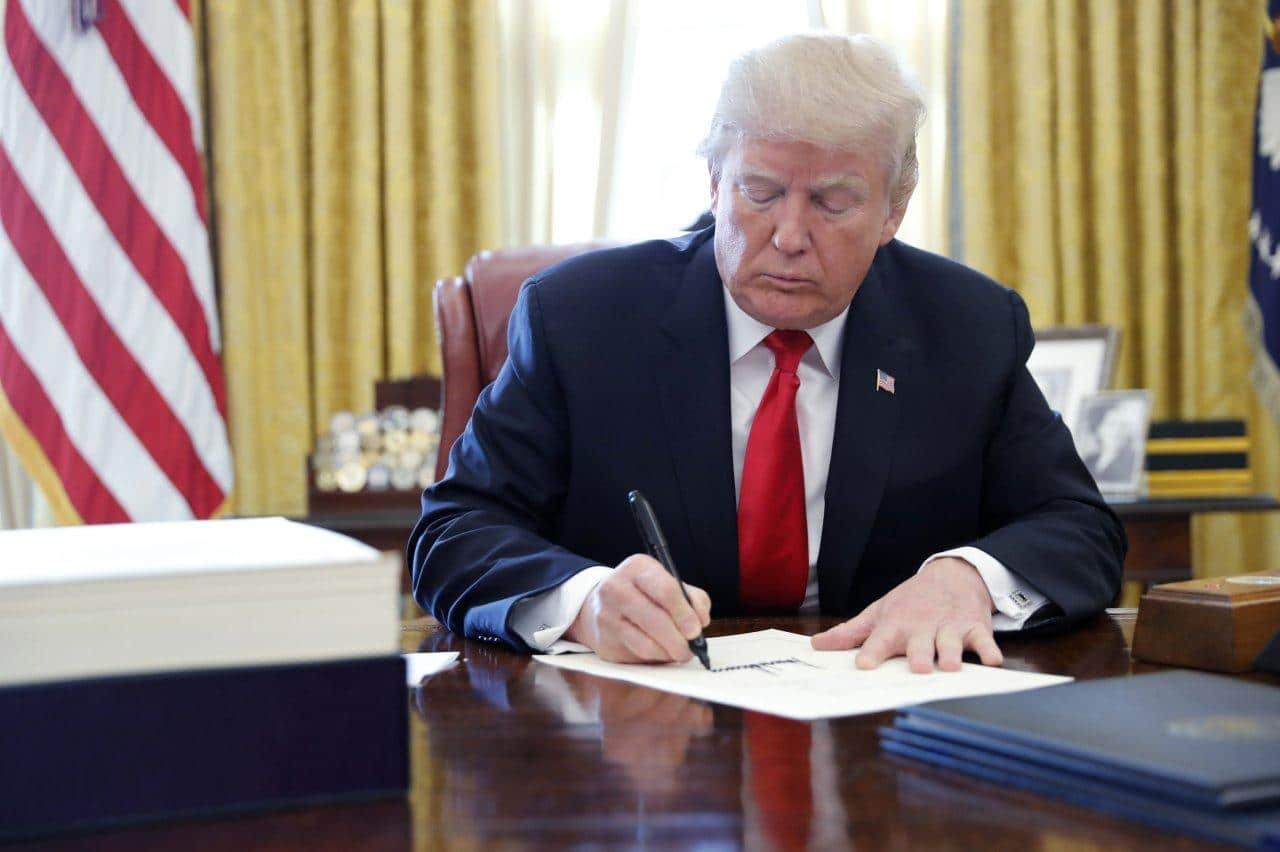
The Federal Reserve faces mounting pressure from President Trump to reduce interest rates before the scheduled Federal Open Market Committee meeting next week. This push occurs while the U.S.-Iran military confrontation drives oil prices upward, heightening inflation concerns and reducing investor confidence in near-term rate relief.
BREAKING: President Trump calls on Fed Chair Powell to cut interest rates today, before the next Fed meeting. pic.twitter.com/VLxKmQdKi9
— The Kobeissi Letter (@KobeissiLetter) March 12, 2026
President Trump took to Truth Social on Thursday, declaring that Fed Chair Jerome Powell “should be dropping Interest Rates, IMMEDIATELY.” His statement followed Iran’s new Supreme Leader Mojtaba Khamenei’s announcement that the Strait of Hormuz would remain closed.
The Strait of Hormuz serves as a transit point for approximately one-fifth of global oil supply. This closure creates disruptions extending beyond energy markets to fertilizer distribution, with analysts warning of subsequent food price increases.
U.S. West Texas Intermediate crude reached $95.70 per barrel on Thursday. This represents a substantial increase from levels observed before the military operations commenced on February 28, when coordinated U.S. and Israeli strikes targeted Iran.
What the Data Shows
CME FedWatch data indicates a 99.2% probability that the FOMC will maintain current rates at the upcoming meeting. Before military tensions escalated, market participants anticipated two quarter-point reductions by year-end. Current expectations have shrunk to barely one cut.
Goldman Sachs updated its forecast Thursday, projecting PCE inflation — the Federal Reserve’s preferred measurement with a 2% target — will climb to 2.9% by December. The investment bank moved its initial rate cut expectation from June to September, anticipating a second reduction in December.
March 15, 2020 represents the Federal Reserve’s last unscheduled rate cut, implemented during the COVID-19 pandemic’s onset. Current conditions fail to meet the threshold that would justify similar emergency intervention, according to market analysts.
JPMorgan has cautioned about possible market turbulence as investors incorporate extended conflict scenarios into their models. Polymarket prediction markets show 70% odds that the Iran situation will continue through May.
Trump’s Rate Cut Push and What Comes Next
President Trump has selected former Fed Governor Kevin Warsh as his nominee to replace Powell when the current chair’s term concludes in May. Trump has indicated expectations that Warsh will demonstrate greater willingness to implement rate reductions.
Goldman Sachs analysts maintain their position that September represents the earliest realistic timeframe for rate cuts, aligning with current market sentiment.
The Trump administration is exploring additional measures to address climbing oil costs, including potential Jones Act waivers that would ease restrictions on domestic energy product shipping. The Department of Energy has received authorization to release 172 million barrels from the Strategic Petroleum Reserve.



