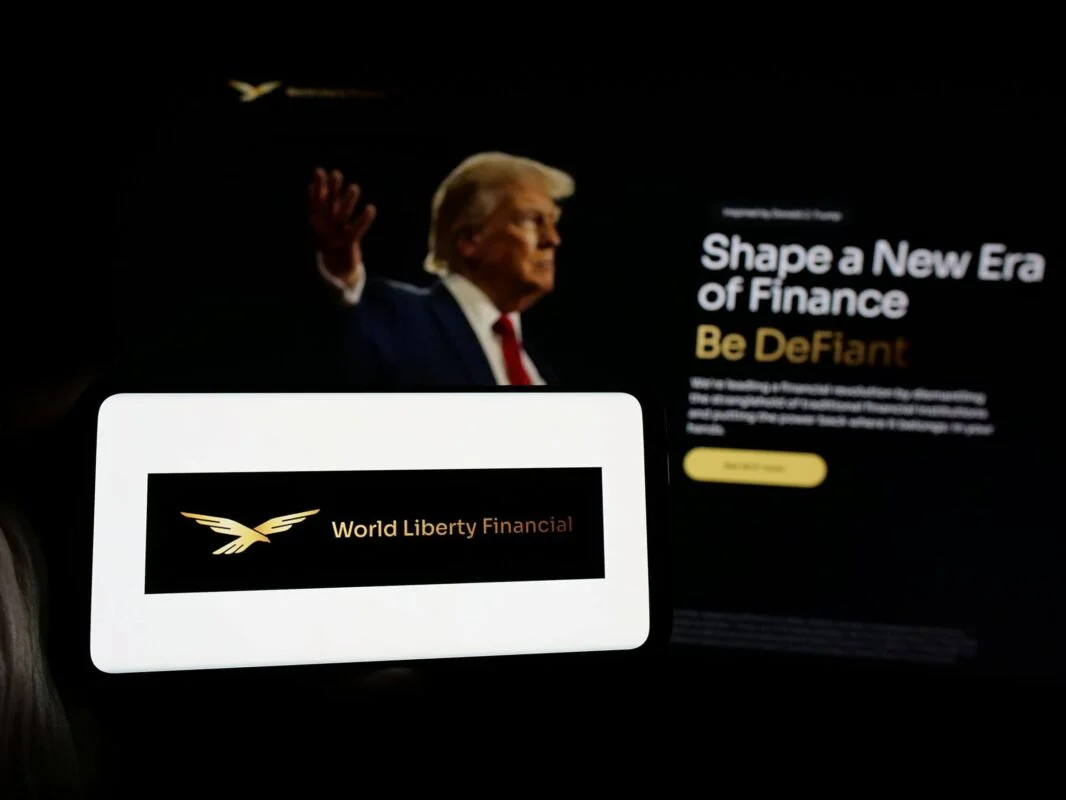
Executive Summary
- WLFI functions as a governance token offering voting rights rather than financial ownership
- Project documentation explicitly states token holders should expect no financial returns
- Insider entities receive 75% of net token-sale proceeds and 60% of operational income
- Platform development received approximately 5% of capital raised
- Transfer restrictions remain in place, creating questions around future supply dynamics
World Liberty Financial (WLFI) has generated significant attention across cryptocurrency markets. The project merges blockchain technology, political connections, and recognizable branding. This combination has positioned it among the most frequently mentioned tokens in recent months. However, examining the official documentation reveals important details worth understanding.
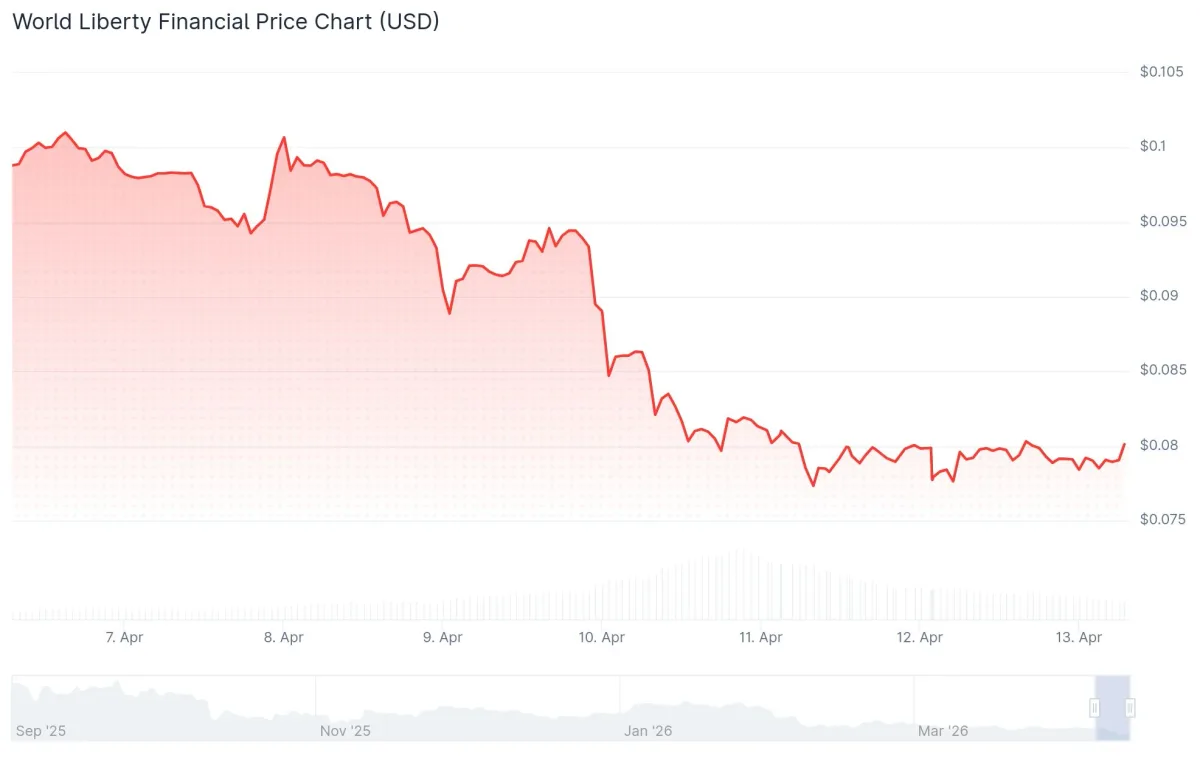
WLFI serves as the governance mechanism within the World Liberty Financial platform. The ecosystem encompasses USD1, a stablecoin backed by dollar reserves, alongside wider decentralized finance initiatives. At first glance, these components suggest a comprehensive infrastructure.
Yet the project’s terms specify that WLFI operates strictly as a governance instrument. Token ownership conveys no financial entitlements within the protocol itself. Official disclosures explicitly indicate that holders should anticipate no monetary gains from platform growth or success.
This distinction matters considerably for anyone evaluating WLFI for portfolio inclusion.
Revenue Rights Remain Outside Token Holder Control
The central challenge involves value distribution. A protocol may expand operations and deploy new services, yet if the token provides no enforceable claim on generated fees or income, expansion does not directly translate to holder benefit.
WLFI’s framework appears to divide token possession from any binding financial interest in the underlying entity. This separation complicates traditional valuation approaches based on cash flow or earnings.
Reuters published findings in March 2025 showing that a holding company linked to the Trump family acquired controlling interest. This arrangement grants them access to 75% of net proceeds from token sales and 60% of revenues from operations. Following this allocation, approximately 5% of raised capital remained designated for actual platform construction.
This arrangement clearly benefits those with insider positions rather than general token purchasers.
Transfer Limitations Impact Market Dynamics
WLFI began with transfer restrictions preventing token movement. The unlocking mechanism has proceeded according to a predetermined timeline, controlling when initial participants could transact their holdings. These constraints limit available liquidity and introduce uncertainty regarding future circulating supply.
For market participants, scheduled token releases can influence valuation as significantly as development announcements.
According to March 2026 Reuters reporting, the project introduced an offering providing guaranteed interaction with its business development leadership for participants staking $5 million in WLFI tokens for a six-month period. This arrangement included voting privileges and governance participation rewards. This positions WLFI partially as a premium access mechanism for substantial investors.
Concluding Assessment
WLFI may maintain market presence due to its political associations and ecosystem developments. Based on official disclosures, though, the token delivers governance participation without corresponding economic entitlements, while controlling parties retain substantial portions of financial returns.
The Reuters March 2026 coverage of the $5 million staking access program represents the latest publicly available information regarding the project’s token functionality.