
Key Takeaways
- Jumping into popular assets after they’ve already surged typically results in poor returns
- Significant declines happen regularly — Berkshire has experienced three drops exceeding 50%
- Staying out of the market during the 10 strongest days can slash returns by over half
- Index funds with minimal fees provide everyday investors with excellent volatility protection
- Prioritize quality, long-horizon investments over speculative, fashionable choices
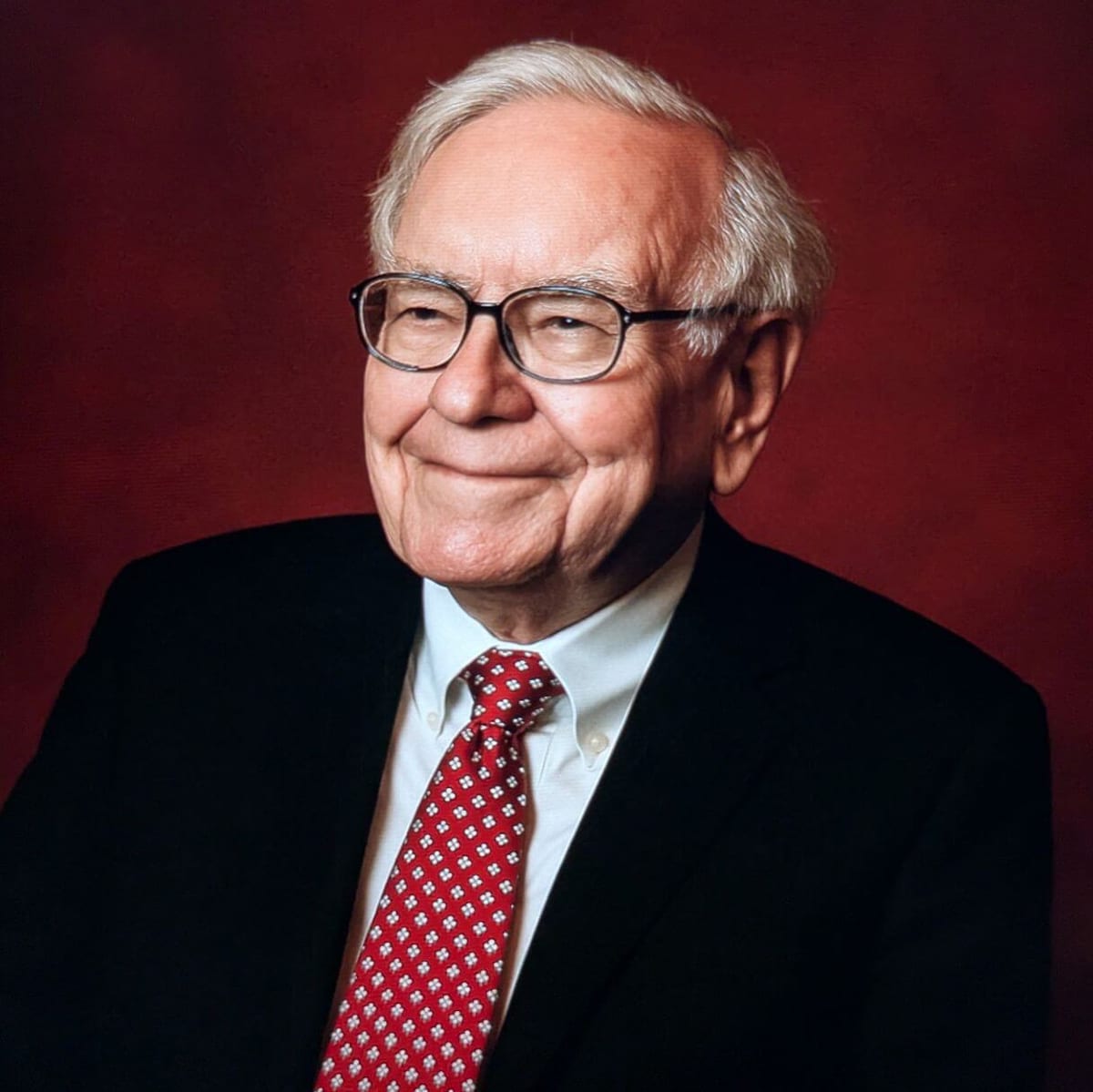
Warren Buffett shared his perspective with CNBC regarding market turbulence and the approach younger investors should take during downturns. His guidance remains clear and grounded in extensive market experience.
At 95 years old, Buffett transitioned from his CEO role at Berkshire Hathaway at the close of last year. His influence in the investment community continues to resonate strongly.
During late March, both the Dow Jones Industrial Average and Nasdaq Composite entered correction phases. Technology sector concerns and international developments contributed to these movements.
Buffett maintained his characteristic composure. “Three times since I’ve taken over Berkshire, it’s gone down more than 50%,” he explained to CNBC. “This is nothing.”
Among Buffett’s frequently cited principles is the danger of following investment trends after they’ve already peaked. His observation — “What the wise do in the beginning, fools do in the end” — captures the hazard of entering overheated markets.
The dotcom era provided a clear example. By 1999’s final months, investors flooded into internet companies without evaluating their business models. The subsequent collapse wiped out numerous firms.
Cryptocurrency followed a similar pattern. Initial investors who grasped the technology secured profits. Those who entered at market peaks due to fear of missing out frequently exited with substantial losses when valuations plummeted.
The Price of Premature Exits
Exiting positions during market declines can dramatically erode wealth accumulation. An investor who placed $10,000 into the S&P 500 during 2006 would have seen that grow to approximately $81,000 by late 2025 — assuming continuous market participation.
Absence during merely the 10 strongest performing days throughout that timeframe reduces that total to roughly $36,000, per data from J.P. Morgan Asset Management.
Thomas Balcom, who established 1650 Wealth Management in Florida, recently counseled a 20-year-old investor whose holdings had declined approximately 10%. The young investor contemplated liquidating his S&P 500 index fund position.
Following Balcom’s explanation that the portfolio maintained strong diversification and the decline represented temporary market movement, the investor decided to maintain his holdings.
Building Resilience Through Diversification
Buffett has consistently advocated for low-cost, broadly diversified index funds for individual investors. Allocating capital across numerous companies minimizes impact when specific sectors weaken.
Balcom frequently introduces younger clients to the Schwab 1000 Index ETF, which follows 1,000 major U.S. corporations and charges just 0.03% annually.
Thomas Van Spankeren, serving as chief investment officer at RISE Investments in Chicago, recently guided a client toward reducing technology concentration. His recommendations included dividend-paying equities, small-capitalization stocks, and international market exposure.
“Buy and hold is very important, but you also need to know what you own,” Van Spankeren emphasized.
Buffett mentioned his current strategy involves waiting to allocate capital — specifically into companies with genuine appeal that he intends to hold for extended periods, rather than pursuing quick profits.



