
Key Takeaways
- First-quarter electric vehicle sales in the U.S. are anticipated to decline 28% compared to the same period one year earlier, even with gasoline costs climbing
- Tesla’s Q1 vehicle deliveries are forecast to drop 4.6% versus the prior year period
- U.S. gasoline prices have climbed $1 per gallon since February and are nearing $4 nationwide
- Electric vehicles carry an average premium of approximately $6,500 compared to gasoline-powered alternatives, while financing expenses have increased since 2022
- Federal tax incentives for electric vehicles expired last fall, eliminating a key purchasing motivator
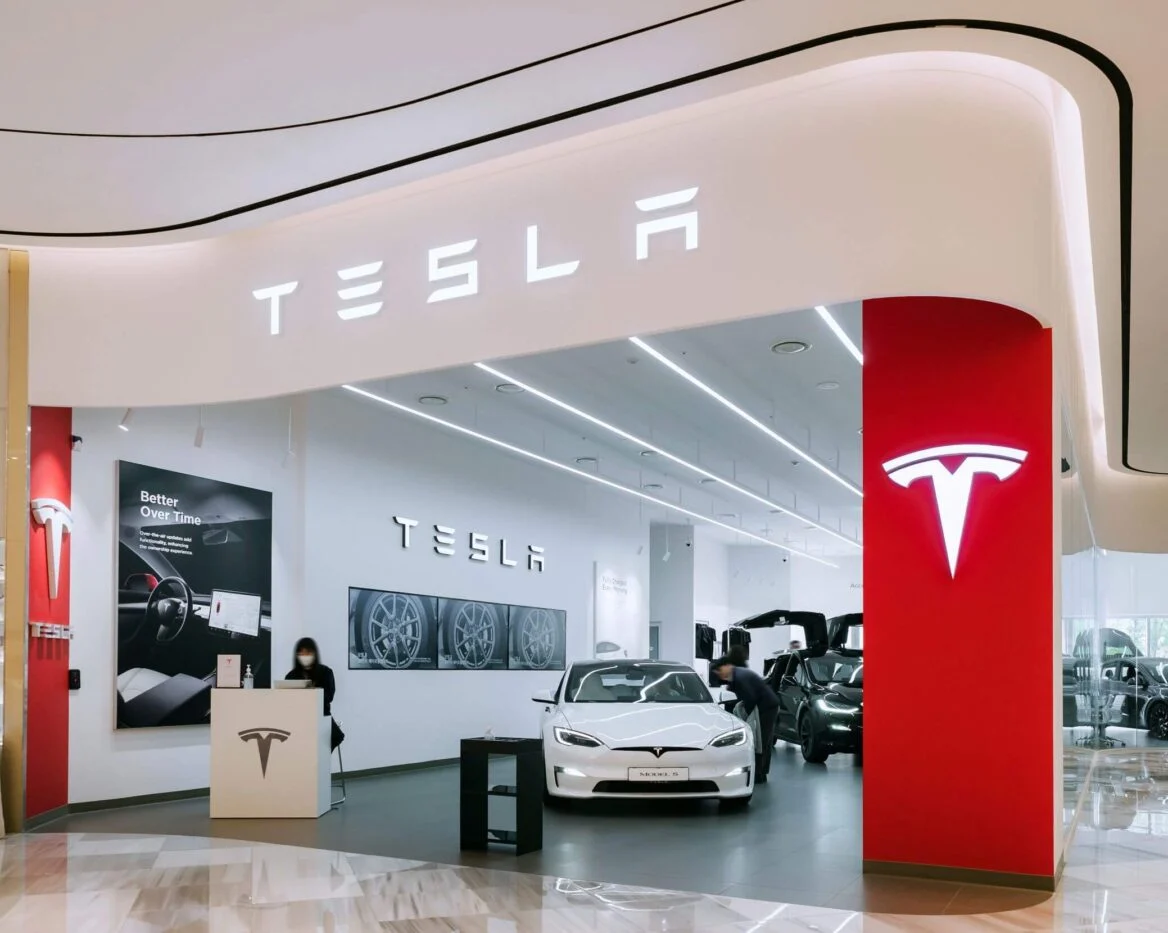
Gasoline price increases stemming from Middle East tensions involving Iran have failed to generate meaningful momentum for electric vehicle purchases. Electric vehicle sales during the opening quarter remain on track for a significant decline, with Tesla experiencing its share of the downturn.
According to Cox Automotive’s latest projections, first-quarter electric vehicle sales across the United States will register a 28% year-over-year decrease. Tesla faces its own headwinds, with forecasts showing the automaker will deliver 4.6% fewer vehicles compared to the first quarter of the previous year.
Jeremy Robb, serving as chief economist at Cox, explained that consumer purchasing patterns require substantial time before showing noticeable changes. While an extended geopolitical conflict might eventually influence buying decisions, current data reveals no such trend has materialized.
Fuel costs have escalated rapidly in recent weeks. AAA data indicates regular gasoline prices have surged by $1 per gallon since February. The nationwide average appears poised to reach $4 per gallon shortly — a threshold last crossed in August 2022.
Several states including California, Hawaii, and Washington have already exceeded $5 per gallon. During this same timeframe, electric vehicle charging expenses have experienced modest growth, rising from 39 cents to 42 cents per kilowatt hour.
Online searches for electric vehicles have increased alongside fuel price escalation. Edmunds, a prominent automotive research platform, observed comparable behavior following Russia’s February 2022 invasion of Ukraine, when EV consideration among car shoppers jumped from 17.5% to 25.1% within 30 days.
Obstacles Preventing Purchase Conversions
Consumer interest levels don’t necessarily translate into completed transactions. Current borrowing rates stand considerably higher than early 2022 levels, while vehicle prices have climbed across all categories.
Kelley Blue Book reports the average transaction price for new vehicles reached $49,353 last month, representing an increase from $46,085 recorded in February 2022. Electric vehicles command an average premium of roughly $6,500 above their gasoline-powered counterparts.
The typical new Tesla transaction closed at $53,821 during the most recent month. Manufacturer incentives on electric vehicles have also contracted — J.D. Power and GlobalData estimate EV discounts decreased approximately $940 compared to March of last year, while traditional vehicle incentives expanded.
Federal tax credits that previously helped offset electric vehicle acquisition costs were eliminated last fall, removing another financial incentive for potential buyers.
Ivan Drury, Director of Insights at Edmunds, cautioned consumers against hasty vehicle trade decisions. “Trading in a less fuel-efficient vehicle during a surge can actually put you at a disadvantage, as values for those vehicles soften while demand for more efficient models drives prices up,” he stated.
Market Analysis and Trends
Recurrent, a company specializing in electric vehicle data analysis, maintains the position that elevated gasoline costs will eventually stimulate interest in budget-friendly EV options. However, first-quarter sales figures tell a different story.
Andrew Garberson from Recurrent noted that every market indicator he monitors suggests more affordable electric vehicles gain appeal as fuel prices escalate. Electric Choice data shows the average EV achieves approximately 33 miles per kilowatt hour.
Current market conditions — combining elevated vehicle prices, restrictive lending environments, and the absence of tax incentives — continue to discourage buyers from making purchase commitments.
Cox Automotive’s comprehensive first-quarter sales report will provide additional clarity regarding actual consumer behavior during this period.



