Key Highlights
- A 15-point peace framework from the US reached Iran through Pakistani diplomatic channels
- Tehran has remained silent on the proposal while publicly dismissing ceasefire discussions
- Oil markets saw nearly 6% declines, with Brent crude sliding under $95 per barrel
- US stock futures climbed approximately 1% amid hopes for de-escalation
- The death toll has exceeded 4,300 since hostilities erupted on February 28
The Trump administration has delivered a comprehensive 15-point peace framework to Iran through Pakistani intermediaries as Middle East hostilities continue to impact global financial markets and send oil prices into volatility.
BREAKING: U.S PROPOSE 15 POINT PLAN TO IRAN TO END THE WAR
1. Removal of all sanctions on Iran.
2. US assistance in advancing and developing a civilian nuclear project (electricity generation).
3. Removal of the threat of sanctions being reimposed.
4. Iran’s nuclear programme… pic.twitter.com/3gibhT2G9m
— Sulaiman Ahmed (@ShaykhSulaiman) March 24, 2026
Pakistani officials transmitted the diplomatic proposal to Tehran on behalf of Washington. President Trump expressed optimism for reaching an agreement by Friday, though current developments suggest this ambitious timeline faces significant obstacles.
Tehran has withheld any formal response to the American initiative. Public statements from Iranian leadership indicate resistance to entering negotiations, while the nation’s military command issued a Wednesday declaration dismissing any prospect of ceasefire talks with the Trump administration.
“The level of your internal conflicts has reached the point where you are negotiating with yourselves,” Iran’s armed forces said, according to state-run IRIB News.
Oil prices experienced substantial downward pressure following disclosure of the peace initiative. West Texas Intermediate crude descended to approximately $87 per barrel. Brent crude sank below $95, representing a significant retreat from last week’s $112 closing price.
Equity Markets Show Positive Movement on Diplomatic News
US equity futures advanced Wednesday morning. Contracts tracking the S&P 500 and Dow Jones Industrial Average posted gains around 1.1%. Nasdaq 100 futures increased 1.2% following Tuesday’s Wall Street declines.
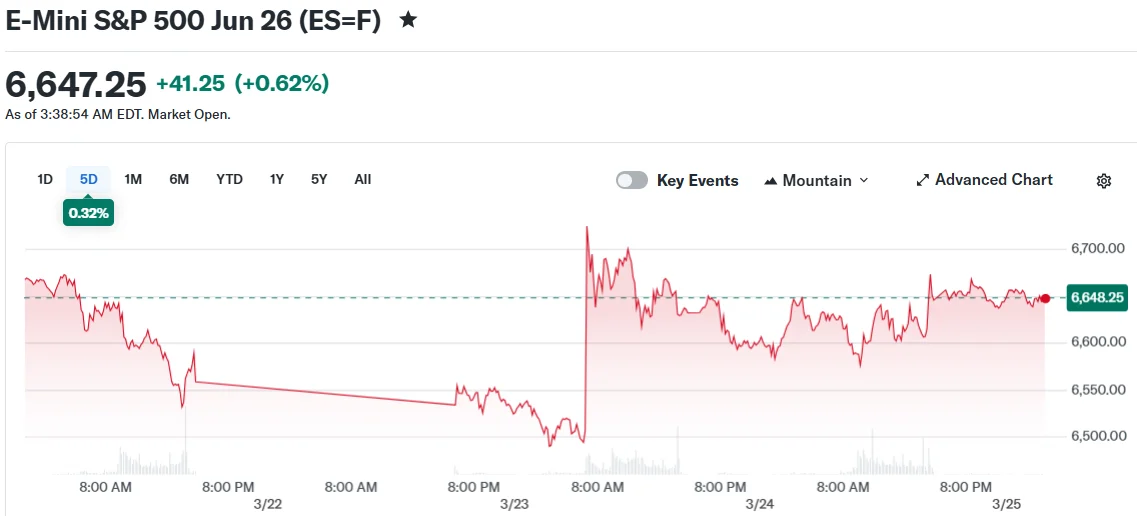
These market movements signal measured optimism that diplomatic progress could alleviate strain on energy sectors. Tehran’s authority over the Strait of Hormuz remains a primary concern, with Iran now imposing transit charges reaching $2 million per journey for certain commercial shipping.
Fuel and fertilizer costs have escalated dramatically since conflict erupted. Commercial tanker traffic has been rerouting away from the strait, while Iranian military actions have damaged regional energy facilities.
Hostilities Persist Across the Region
During overnight hours, Saudi Arabia successfully intercepted an unmanned aerial vehicle in the kingdom’s eastern territory. A strike targeting Kuwait ignited a fuel storage tank at the nation’s primary airport. Iranian media outlets reported additional missile launches directed at Israel. All three incidents resulted in zero reported casualties.
Hostilities commenced on February 28 when combined US and Israeli forces conducted strikes against Iran. The conflict has claimed more than 4,300 lives to date. Roughly three-quarters of fatalities have occurred within Iranian borders. Lebanon has seen over 1,000 deaths as Israel simultaneously engages Hezbollah forces.
Israeli Prime Minister Benjamin Netanyahu has designated trusted adviser Ron Dermer to oversee the US-Iran diplomatic process and safeguard Israeli strategic interests. Israeli government officials have indicated their intention to maintain military operations against Iran during this period.
Gulf nations including Saudi Arabia and the UAE are reportedly evaluating participation in the US-Israeli coalition against Iran, though only under conditions where Iran targets essential power generation or water supply systems.
Trump representatives Steve Witkoff, Jared Kushner, and Secretary of State Marco Rubio are participating in the negotiation process. The White House declined to provide comment regarding the 15-point document, which the New York Times initially reported.