
TLDR
- Hertz shares climbed approximately 18% following the announcement of dual fleet partnerships with Uber
- Oro Mobility, a Hertz subsidiary, will handle charging infrastructure, maintenance protocols, repair services, and staffing operations for Uber’s self-driving Lucid vehicle fleet
- The autonomous ride-hailing service features Lucid Gravity SUVs equipped with Nuro’s self-driving technology, set to debut in the San Francisco Bay Area before 2026 ends
- Both companies plan to evaluate expansion possibilities throughout 2027
- This agreement strengthens the existing ride-share rental collaboration between Hertz and Uber
Shares of Hertz experienced a significant surge Thursday following the company’s announcement of a strategic partnership with Uber to facilitate operations for the ride-hailing platform’s autonomous vehicle fleet.
Hertz $HTZ jumped 22% after unveiling Oro Mobility and naming Uber as its first major partner for autonomous robotaxi and driver-led fleet operations. The deal includes Lucid vehicles with Nuro AV tech for Uber’s robotaxi push, starting in the Bay Area later this year. pic.twitter.com/rAP3RNSmDh
— Wall St Engine (@wallstengine) April 30, 2026
Hertz climbed 18.4% during midday trading to reach $6.63. Uber decreased 0.6% to $74.02.
Hertz Global Holdings, Inc., HTZ
The partnership focuses on Oro Mobility, a freshly established Hertz subsidiary. Oro will manage daily operations for Uber’s self-driving vehicle fleet, encompassing charging infrastructure, maintenance protocols, repair work, cleaning services, and depot personnel management.
Uber’s robotaxi platform features Lucid Gravity SUVs integrated with autonomous driving technology developed by Nuro. Lucid shares also experienced gains from the announcement, rising approximately 5.5%.
The autonomous ride service will debut in the San Francisco Bay Area before 2026 concludes. Both Hertz and Uber indicated plans to evaluate expansion possibilities throughout 2027.
Hertz CEO Gil West explained that Oro was created to bridge demand with scalable fleet operations. “Through this work, we’re deepening our capabilities across diverse mobility use cases,” West stated in the press release.
Uber COO Andrew Macdonald emphasized that the collaboration will facilitate autonomous technology integration onto the Uber platform while accelerating the transition to a combined network featuring both driver-operated and autonomous ride-share services.
Hertz Pivots Toward Fleet Management Services
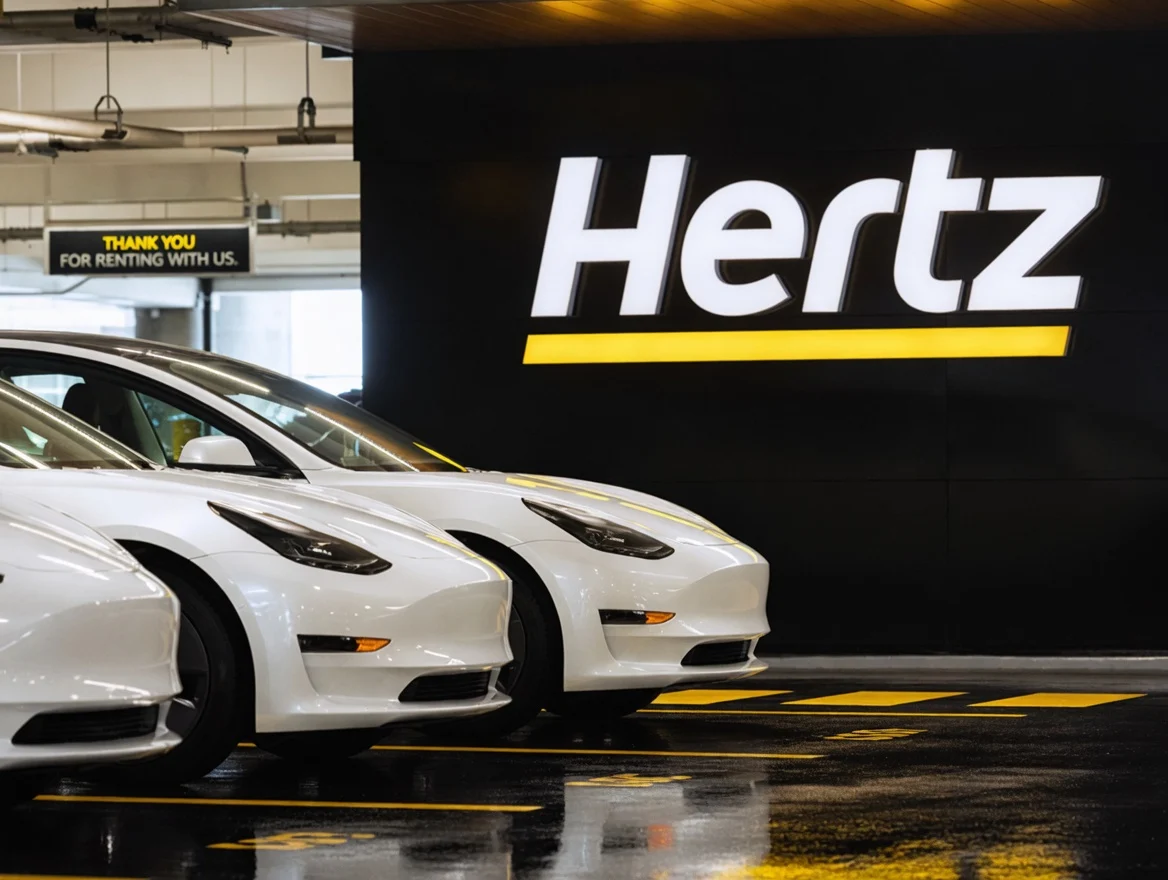
This marks another chapter in Hertz’s efforts to adapt to evolving mobility trends. During 2021, the company generated significant attention by announcing a 100,000-vehicle electric vehicle purchase from Tesla, which temporarily propelled Tesla’s market capitalization beyond $1 trillion.
Hertz additionally revealed intentions to acquire up to 175,000 electric vehicles from General Motors and 65,000 from Polestar. Those agreements remained incomplete.
By early 2024, Hertz began liquidating its electric vehicle inventory at a financial loss. Unexpectedly high maintenance expenses, many stemming from Uber drivers renting the vehicles, combined with Tesla’s substantial price reductions, drove the strategic reversal.
Oro signifies a transformed strategy. Instead of purchasing and leasing electric vehicles, Hertz now focuses on becoming an operations and fleet management service provider, aligning more closely with its traditional business strengths.
Fleet Management Competition Intensifies
Hertz faces competition in this emerging sector. Competitor Avis currently manages fleet operations for Waymo, Alphabet’s autonomous vehicle division.
As multiple robotaxi enterprises seek to outsource logistics functions, expanding opportunities exist for third-party operators such as Oro.
Uber maintains agreements with numerous autonomous vehicle manufacturers worldwide. The company plans to acquire at least 35,000 robotaxi-ready vehicles from Lucid Motors. That begins with 10,000 Gravity SUVs, followed by another 25,000 vehicles based on Lucid’s forthcoming mid-sized platform already committed.
Uber currently owns more than 11% of Lucid Motors following its financial investments accompanying those vehicle purchase orders.
Hertz began Thursday’s trading session already showing gains of 22% during April and 9% year-to-date.



