
Key Takeaways
- General Motors CFO Paul Jacobson reports consumer purchasing patterns remain stable despite elevated fuel costs
- National gas prices increased 25% to $3.72/gallon following U.S. and Israeli military operations against Iran on Feb. 28
- U.S. crude oil prices have reached approximately $100 per barrel
- Historical data shows consumers need four to six months of sustained high oil prices before altering vehicle preferences
- First quarter 2026 sales were primarily influenced by limited availability of trucks and Cadillac Escalade models
During a Wednesday presentation at a Bank of America conference, General Motors CFO Paul Jacobson stated that elevated fuel prices have yet to influence consumer vehicle purchasing decisions. The financial executive emphasized that current sales metrics show no warning signs of changing demand patterns.
Fuel prices across the United States have experienced approximately 25% growth following the Feb. 28 military strikes launched by the U.S. and Israel targeting Iran. Data from the U.S. Energy Information Administration shows the national average has reached $3.72 per gallon. Meanwhile, crude oil prices continue trading near the $100 per barrel threshold.
Addressing the current market conditions, Jacobson delivered a clear message: “Nothing that we’ve seen in the sales data indicate there’s any concerns.”
The CFO explained the delayed response to fuel price increases. “Usually it takes four to six months of sustained high oil prices before people start to think, ‘Maybe I should go for less mileage,'” Jacobson explained. “I don’t think we see that.”
GM’s product portfolio leans heavily toward trucks and sport utility vehicles — vehicle categories that face challenges when fuel expenses remain elevated over extended periods. The automaker reduced electric vehicle manufacturing last year after federal fuel-efficiency requirements were eased, creating greater exposure to fuel price fluctuations.
Supply Constraints Dominated First Quarter Performance
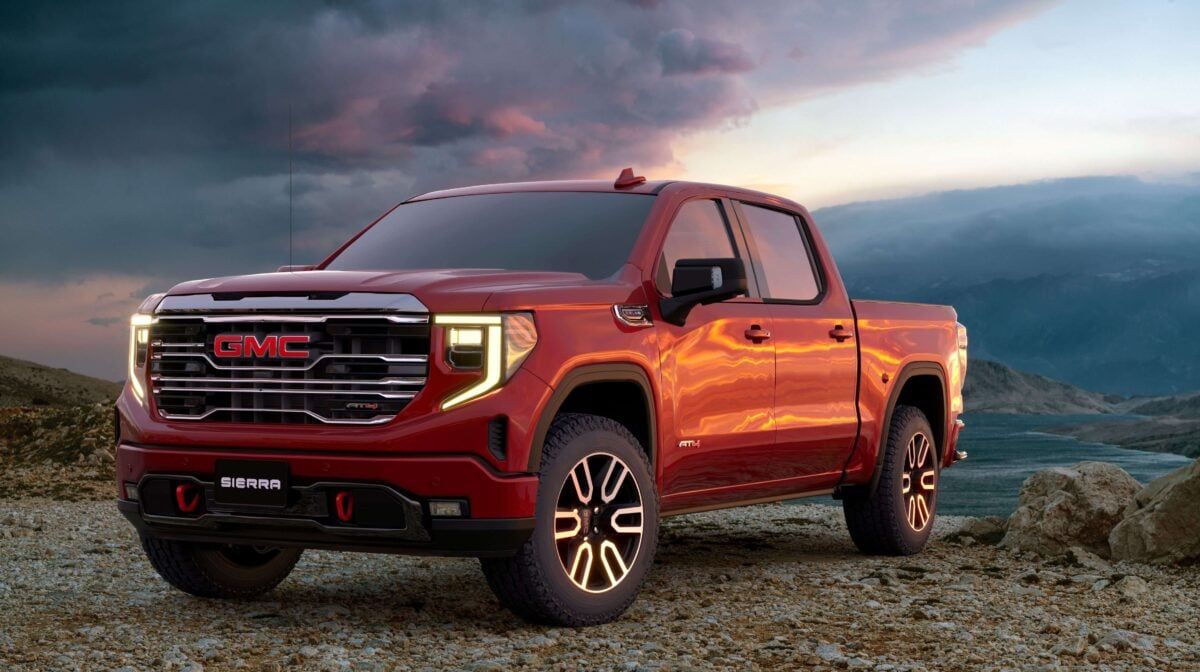
According to Jacobson, seasonal weather patterns and limited vehicle availability played more significant roles in Q1 2026 outcomes than gasoline costs. The company is currently transitioning to new truck models, which has resulted in reduced inventory levels.
“If anything, we’re challenged a little bit with low inventory in some key products, particularly the Cadillac Escalade and some of the full size trucks,” he explained.
The constrained inventory situation actually provided some protection for Q1 figures, as customer demand exceeded available vehicle supply. General Motors plans to release its first-quarter financial performance on April 28.
Future Impact Remains Possible, CFO Notes
While maintaining an optimistic outlook, Jacobson refrained from completely discounting potential effects from the Iran conflict. He recognized that prolonged elevated oil prices could eventually influence consumer decision-making.
These statements arrive as GM, Ford, and Stellantis have all reduced electric vehicle production following last year’s rollback of federal EV mandates. This shift leaves Detroit’s major manufacturers more dependent on profitable truck and SUV sales — segments that face headwinds when fuel remains expensive.
At present, however, Jacobson maintains a measured stance without raising concerns.
Wall Street analysts currently assign GM stock a consensus Moderate Buy rating based on assessments from 19 professionals. The rating composition includes 14 Buy recommendations, four Hold positions, and one Sell rating. The average analyst price target stands at $95.76, suggesting potential upside of approximately 29% from present trading levels.



