
Key Highlights
- US Navy intercepted and detained an Iranian cargo vessel attempting to breach a naval blockade in the Gulf of Oman
- Tehran reinstated the Strait of Hormuz closure following a brief weekend reopening
- Brent crude rallied 7.9% while European natural gas prices climbed 11% during Monday trading
- The temporary truce between Washington and Tehran reaches its expiration date on April 21 amid stalled diplomatic efforts
- Vessel movement through the Hormuz corridor has dropped to minimal levels with only isolated ships attempting passage
Energy markets experienced significant volatility on Monday following a US military operation that detained an Iranian cargo vessel and Tehran’s decision to reinstate restrictions on the Strait of Hormuz.
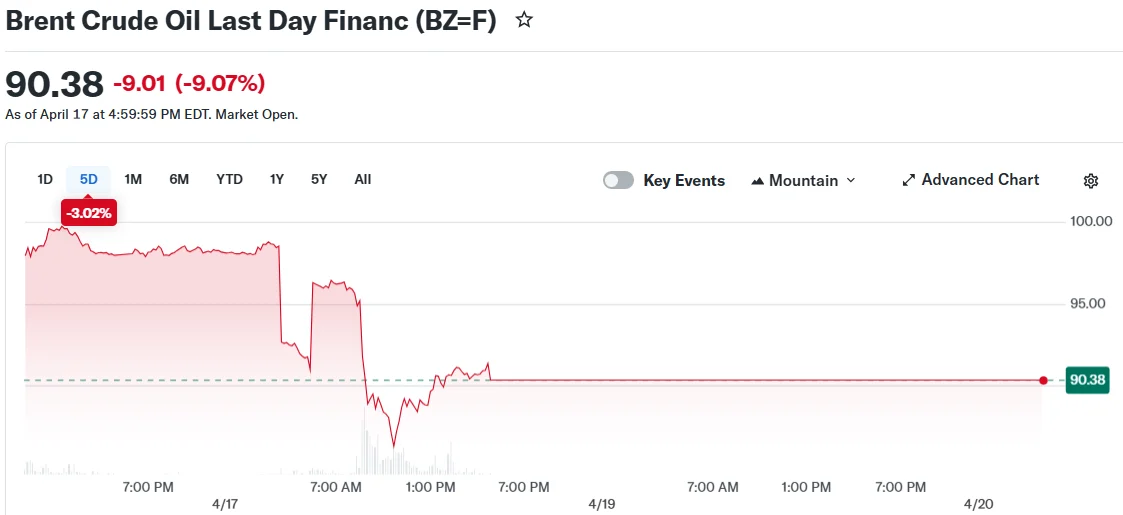
Brent crude climbed as much as 7.9% during trading sessions, reclaiming substantial ground lost on Friday when prices had tumbled over 9% following Iran’s brief announcement of waterway reopening. European natural gas markets saw parallel gains, surging up to 11%.
President Donald Trump provided official confirmation that US Navy forces engaged and captured the Iranian-flagged cargo ship operating in the Gulf of Oman. According to the President, the vessel disregarded multiple commands to halt as it proceeded toward the Hormuz waterway.
Tehran issued strong condemnation of the maritime detention and signaled potential retaliatory measures. Iranian state media outlets indicated that military forces had engaged several additional vessels attempting channel passage during the weekend period before reimposing the closure on Saturday.
BREAKING: Iran says it has attacked US military ships with drones in retaliation for the US striking and seizing an Iranian cargo vessel in the Strait of Hormuz, per Tasnim.
— The Kobeissi Letter (@KobeissiLetter) April 19, 2026
Iranian officials characterized the US naval enforcement actions against Iranian-linked shipping as violations of the existing ceasefire framework, which reaches its conclusion on Tuesday, April 21.
The Strait of Hormuz serves as a transit corridor for approximately one-fifth of global petroleum and liquefied natural gas volumes. The waterway has faced substantial operational disruptions since the US-Israeli war on Iran commenced in late February.
Diplomatic Uncertainty Ahead of Deadline
The status of renewed diplomatic engagement remained ambiguous as the ceasefire expiration approached. Trump announced that US diplomatic representatives, including Vice President JD Vance, special envoy Steve Witkoff, and Jared Kushner, would travel to Islamabad on Monday evening for discussions scheduled for Tuesday.
Meanwhile, Iranian state media sources indicated Tehran had declined additional negotiation opportunities. The Tasnim news agency conveyed that Iran would send no delegation to Islamabad and would refuse dialogue while US naval enforcement operations continue.
Commercial shipping activity through the Hormuz passage had diminished to near-zero levels on Monday. Maritime tracking showed only one petroleum products tanker making an exit attempt, with merely two other vessels moving in the inbound direction.
Oil values had previously climbed to nearly $120 per barrel during the initial conflict outbreak, before retreating during the past fortnight as Trump indicated potential diplomatic resolution.
Market Expert Perspectives
Analysts at OCBC suggested markets may have anticipated an overly rapid restoration of energy supply chains. “The standoff looks set to drag on as both sides test pain thresholds,” they wrote.
Haris Khurshid of Karobaar Capital observed that the market maintains a risk premium while avoiding full commitment. He projected prices could steadily advance toward the $105–$115 range if current tension levels persist.
Robert Rennie of Westpac Banking indicated that physical fuel expenses would maintain upward momentum as long as Hormuz shipping volumes remain restricted.
The two-week cessation of hostilities between the US and Iran expires on April 21, with no confirmed diplomatic sessions scheduled as of Monday.



