



TLDR
- Strategy’s Michael Saylor dismisses quantum computing as an immediate Bitcoin threat, citing decade-long timeline
- Current quantum concerns labeled as FUD, similar to previous Bitcoin criticisms that proved unfounded
- Vitalik Buterin takes a more urgent stance, highlighting potential cryptography vulnerabilities by 2028
- BTC price drops under $65,000 amid tariff concerns from Trump administration
- Strategy reaches milestone 100th Bitcoin acquisition, total holdings now 717,722 BTC valued at approximately $54.56 billion
Michael Saylor, serving as executive chairman at Strategy, maintains that quantum computing presents zero immediate danger to the Bitcoin network. During his appearance on Natalie Brunell’s Coin Stories podcast, he emphasized widespread consensus among cybersecurity experts placing any genuine quantum threat beyond a 10-year horizon.
Saylor characterized present quantum computing narratives as “FUD,” drawing parallels to previous Bitcoin controversies like block size debates, Chinese mining prohibition attempts, and environmental consumption arguments that ultimately failed to destabilize the network.
He emphasized that a legitimate quantum breakthrough would create universal digital vulnerability. Financial institutions, internet backbone systems, artificial intelligence platforms, and cryptocurrency networks would face simultaneous pressure to implement protective upgrades.
“You’ll see it coming. We’ll all see it coming,” Saylor emphasized. He highlighted Bitcoin’s inherent adaptability, with nodes, hardware components, and wallet software designed for necessary upgrades.
Saylor expressed confidence that cryptocurrency developers would likely identify and address quantum threats ahead of traditional sectors, referencing the robust security protocols already safeguarding digital asset ecosystems.
Alternative Perspectives Emerge
Ethereum co-creator Vitalik Buterin presents a more cautious outlook. He references projections indicating a 20% probability that quantum computers powerful enough to compromise existing cryptography could emerge by 2030.
Buterin specifically warned about elliptic curve cryptography vulnerabilities affecting both Ethereum and Bitcoin, suggesting potential compromise before the 2028 United States presidential election. He advocates transitioning to quantum-resistant frameworks within a four-year window.
The Ethereum Foundation demonstrates proactive measures. Post-quantum preparedness became part of its 2026 security strategy, accompanied by establishing a specialized Post-Quantum team this past January.
CryptoQuant CEO Ki Young Ju shares concerns about quantum computing’s potential impact on millions of Bitcoin. He advocates for early dialogue about these risks despite the extended timeline.
On-chain analytics expert Willy Woo suggests quantum vulnerability could diminish Bitcoin’s advantages compared to gold, recommending markets begin factoring “Q Day” probabilities into valuations.
Bitcoin Price Declines Amid Tariff Uncertainty
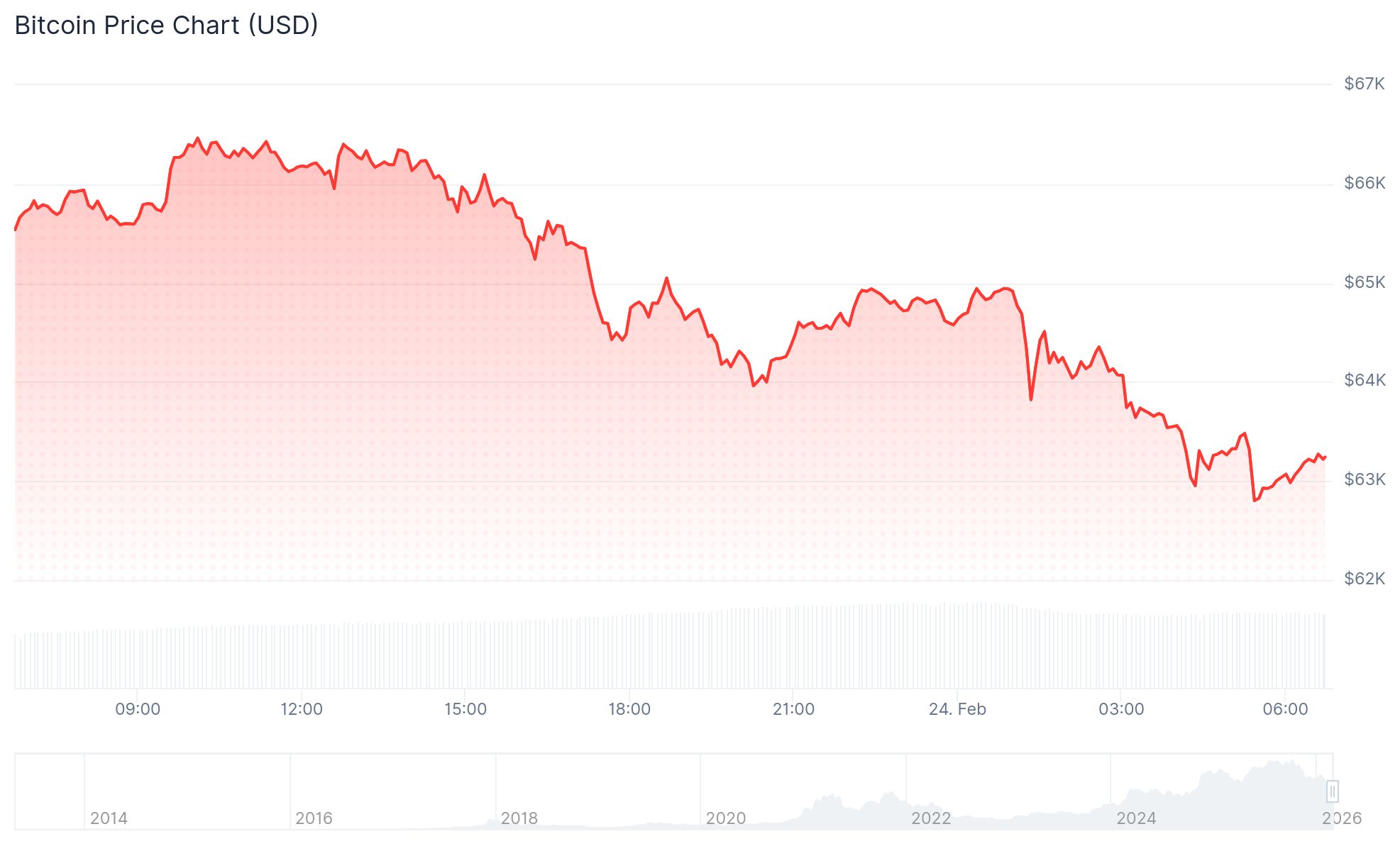
Bitcoin slipped beneath $65,000, recording nearly 5% losses over 24 hours and reaching its lowest point since early February. The decline followed President Trump’s tariff announcement, driving the fear and greed index into extreme fear zones.
Saylor attributes Bitcoin’s price limitations to a separate factor: restricted banking credit access. He notes most Bitcoin holders face barriers borrowing against their assets through regulated financial institutions, contrasting with equity market participants.
He highlighted rehypothecation practices in crypto lending creating potential selling pressure, while acknowledging that shifting derivatives trading toward regulated venues has successfully moderated extreme volatility.
Strategy marked its 100th Bitcoin acquisition last week, purchasing 592 BTC for approximately $39.8 million. The firm’s total holdings reach 717,722 BTC, accumulated through investments totaling roughly $54.56 billion at an average cost of $67,286 per bitcoin.
