



Key Highlights
- Bitcoin has evolved into a recognized macro asset class, supported by approved spot ETFs and interest from sovereign wealth funds
- Ethereum serves as the foundation for DeFi, stablecoins, and real-world asset tokenization, featuring deflationary tokenomics during high usage
- Solana has reclaimed leadership among Layer 1 blockchains in both daily active users and transaction volume following its recovery from the FTX situation
- Chainlink maintains its position as the leading oracle network, providing essential real-world data connections for smart contracts and asset tokenization
- Avalanche’s subnet technology continues attracting major institutional collaborators, including Amazon Web Services and Deloitte
The cryptocurrency landscape entering 2025 bears little resemblance to previous cycles. Institutional capital flows freely, regulatory frameworks continue crystallizing, and applications previously deemed theoretical now operate at commercial scale.
Bitcoin ETFs have attracted billions in capital inflows. Blockchain platforms host tokenized real-world assets. Decentralized finance protocols handle trillions in transaction volume. Investors now face a key question: which digital assets will accumulate the greatest value throughout the next three to five years?
This analysis examines five digital currencies organized into two categories: three large-capitalization assets backed by institutional investors, and two mid-cap protocols offering elevated growth trajectories.
Bitcoin
Bitcoin has transcended its original classification as a digital currency. Investors increasingly view it as a macro asset class comparable to gold.
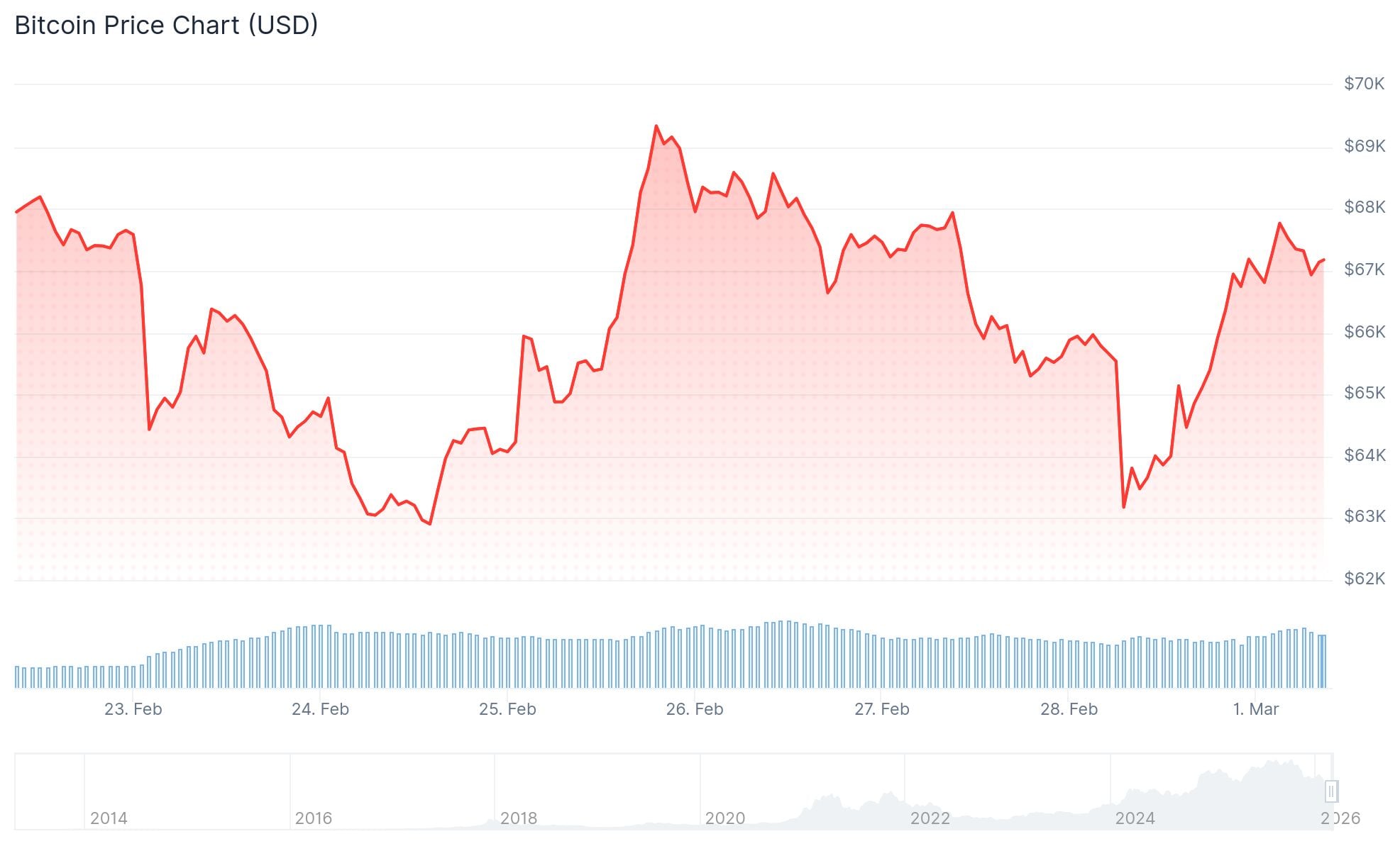
US spot ETF approvals have integrated Bitcoin into conventional financial products. The protocol enforces a maximum supply of 21 million coins, creating absolute scarcity that no central entity can override.
The 2024 halving event further restricted the issuance rate of new Bitcoin entering circulation. Sovereign wealth funds have initiated exploration of Bitcoin allocations, establishing additional institutional demand layers.
Ethereum
Ethereum functions as the foundational infrastructure for substantial portions of the cryptocurrency economy. The platform enables decentralized finance, stablecoins, NFTs, and tokenization of real-world assets.
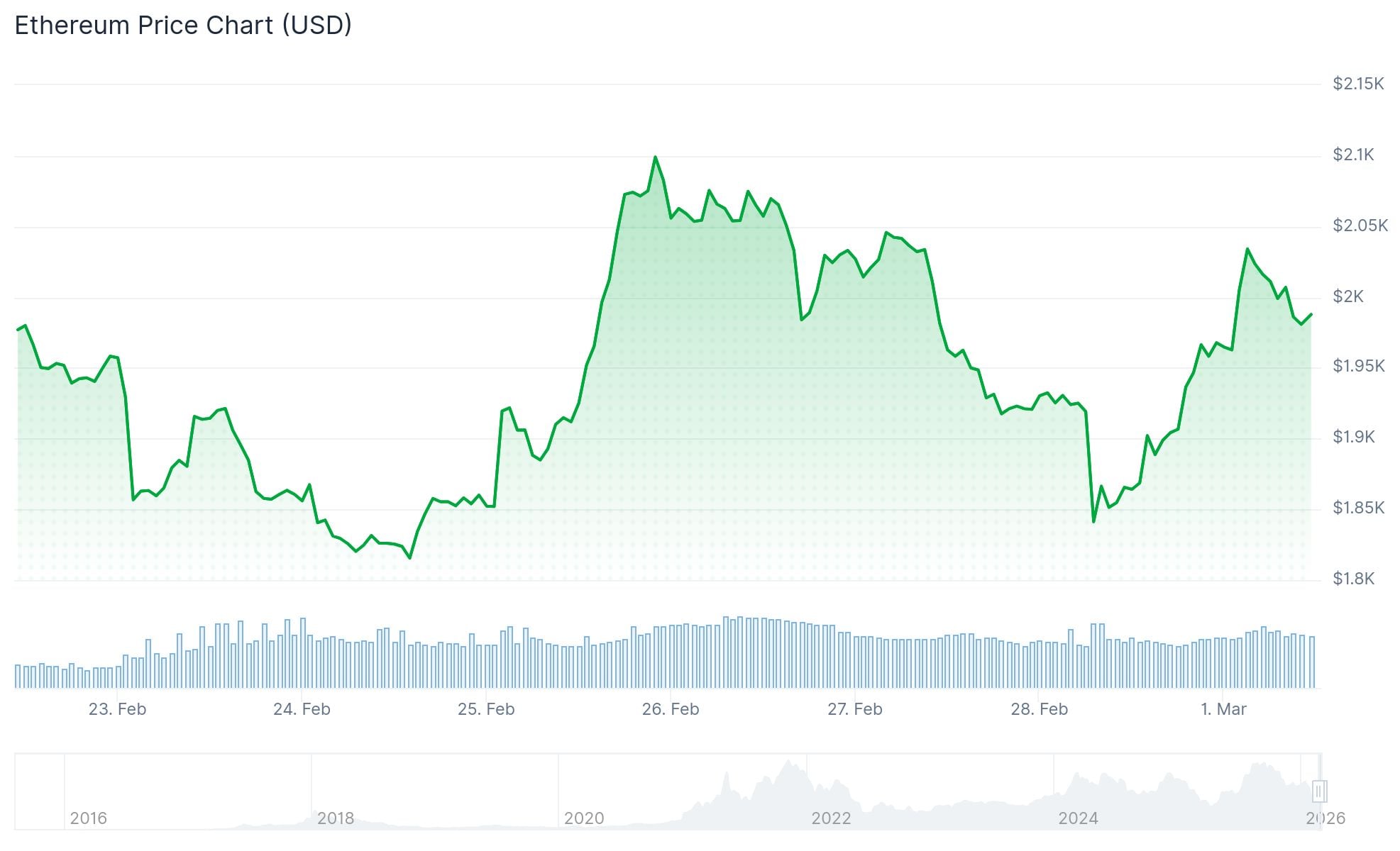
Following its transition to Proof-of-Stake consensus, Ethereum exhibits deflationary characteristics when network activity reaches elevated levels. Layer 2 scaling solutions including Base, Arbitrum, and Optimism operate atop Ethereum and demonstrate expanding user adoption metrics.
Solana
Solana faced existential challenges when its connections to FTX created severe headwinds in 2022. The network has rebounded dramatically and currently commands the highest daily active user count and transaction volume among all Layer 1 blockchains.
The platform facilitates consumer payment applications, decentralized physical infrastructure networks, and substantial token trading activity. Developer activity on Solana maintains accelerated momentum.
Mid-Cap Selections
Chainlink
Chainlink operates as the preeminent oracle network within cryptocurrency infrastructure. The protocol bridges smart contracts with external real-world information, including price feeds, interest rates, and various data inputs.
Integration spans virtually every significant DeFi protocol. The expansion of real-world asset tokenization amplifies demand for dependable data infrastructure solutions like Chainlink.
Avalanche
Avalanche enables institutions to deploy customized blockchains through its subnet framework. These tailored chains maintain interoperability with the wider Avalanche network.
Amazon Web Services and Deloitte have established partnerships with Avalanche. The token currently trades below its historical peak while the project advances its institutional adoption strategy.
Avalanche’s development priorities emphasize enterprise applications requiring compliant, high-performance blockchains operating independently from public networks.
